
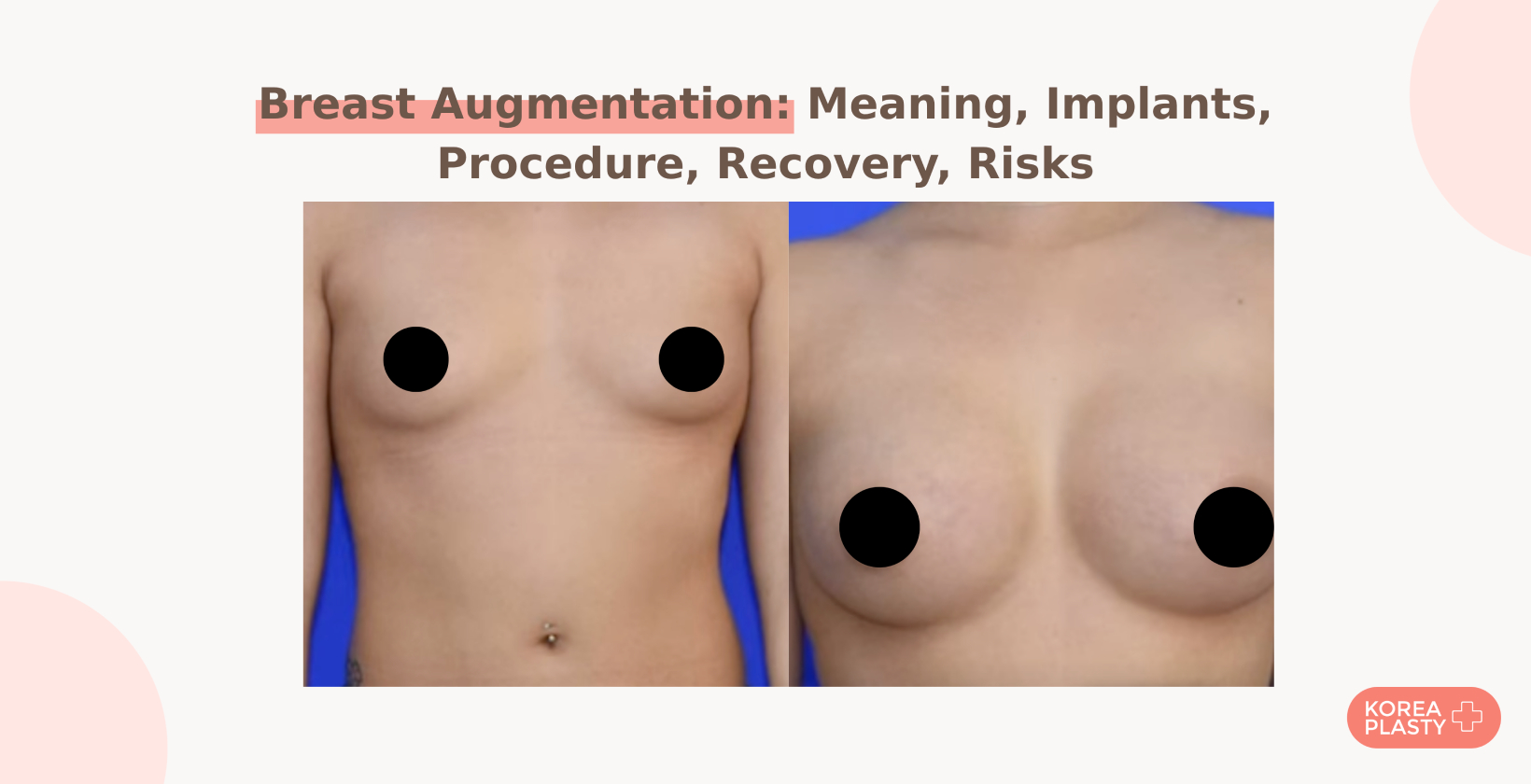
Breast Augmentation: Meaning, Implants, Procedure, Recovery, Risks
Breast augmentation, also referred to as augmentation mammoplasty, involves using breast implants or fat transfer to increase the size of your breasts. The procedure involves the insertion of breast implants as a way to increase breast size or shapeliness. Implant placement can be submuscular or subglandular, and the synthetic implant is filled with silicone gel or saline beneath the breast’s tissue or muscle.
This intervention can restore breast volume lost after weight reduction or pregnancy. It can lift sagging, drooping breasts that have lost their curves and make uneven breasts more symmetrical. Recovery time for breast augmentation can vary depending on the type of breast augmentation you had and your overall healthiness. Recovery may include wearing a surgical bra or a compression band for two weeks.
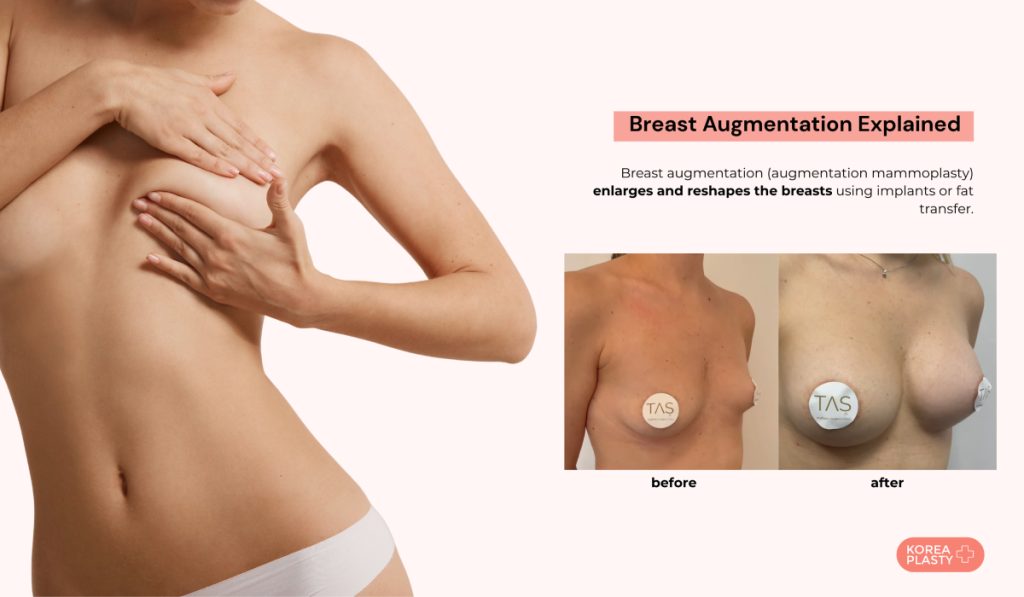
What is breast augmentation?
Breast augmentation or augmentation mammoplasty is a cosmetic surgery procedure that increases the size and changes the shape of breasts, and it involves using breast implants or fat transfer. The surgery is performed in a hospital or office setting, typically on an outpatient basis under general anesthesia.
Breast augmentation is the most frequently performed plastic surgery procedure in the United States. It is also referred to as a boob job, breast augmentation, or, when smaller implants are chosen, a mini breast augmentation. Implants are placed beneath the breast tissue, either above or below the pectoralis major muscle, and the operation is carried out by a board-certified plastic surgeon.
Candidates seek augmentation to restore volume lost after pregnancy or breastfeeding, to correct natural asymmetry, to enhance body proportions, or simply to feel more feminine. Mini breast augmentation uses smaller implants for a subtle, natural-looking increase that raises cup size by one size; it is popular among athletes, bodybuilders, and petite patients. Auto-augmentation combines a breast lift with existing tissue to boost upper fullness without an implant, whereas fat-transfer options use liposuction-harvested fat for a modest volume increase.
Breast augmentation combines with a breast lift (mastopexy) in an augmentation/mastopexy that enhances breast position, nipple location, and overall appearance. It is merged into gender-affirmation surgery, mommy-makeover plans, or breast-reconstruction protocols after mastectomy, although reconstruction itself is a very different procedure.
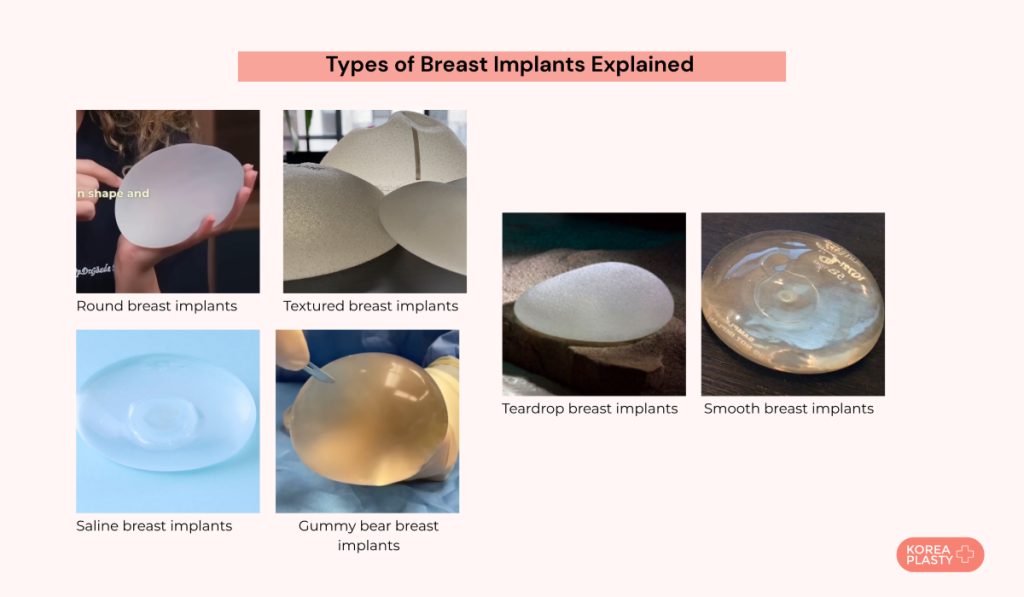
What are the different types of breast implants?
The different types of breast implants are explained below.
- Round breast implants provide a fuller appearance than teardrop implants; round breast implants are less likely to rotate out of place than shaped implants;
- Textured breast implants are classified as macrotextured and microtextured; textured breast implants encourage soft tissue ingrowth into their small surface interstices.
- Form-stable implants are referred to as gummy bear breast implants;
- Smooth breast implants feel the softest of all the different kinds of implants;
- Silicone gel-filled breast implants have a silicone outer shell filled with silicone gel; silicone gel can stay within its shell if the implant were to break; silicone implants are pre-filled before insertion;
- Breast implants are available in a variety of filling materials;
- Teardrop breast implants are also called anatomical implants;
- Saline breast implants have a silicone outer shell filled with sterile saltwater; saline breast implants provide a uniform shape, firmness and feel; saline breast implants require smaller incisions; saline implants may create rippling or wrinkling under thin skin;
- Gummy bear breast implants are highly-cohesive implants.
The two principal fillings are silicone gel and sterile saline solution. Implant shells are smooth or textured.
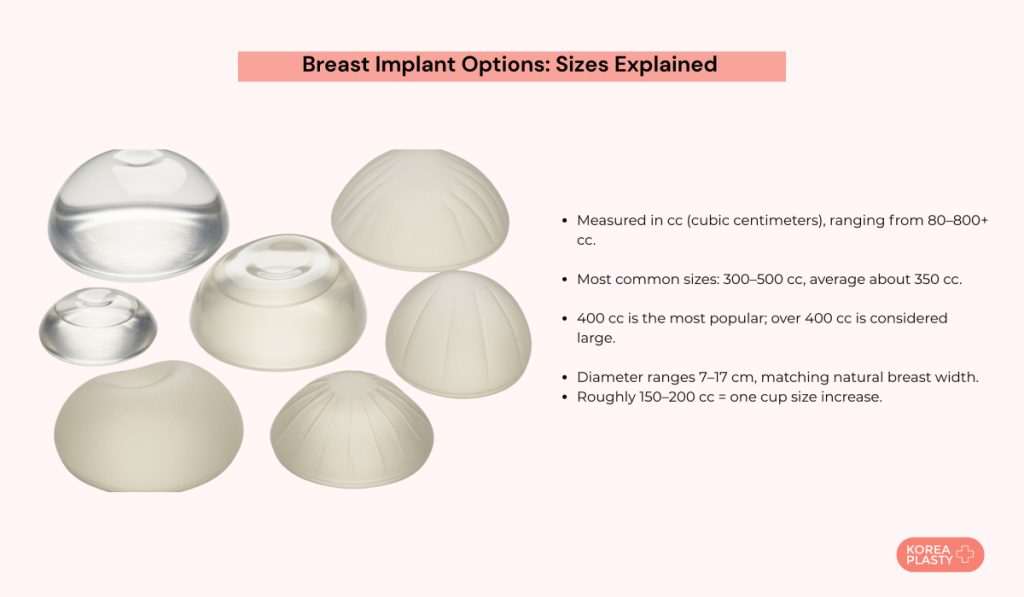
What are the sizes of breast implants?
The sizes of breast implants are given in the table below.
| Category | Values |
| Breast implant sizes range from | 80cc to 800cc or more |
| Most common breast implant sizes range from | 275cc to 355cc |
| The most popular implant sizes range from | 300cc to 500cc |
| The single most popular implant size is | 400cc |
| Smallest breast implant sizes available are | 145cc |
| The smallest breast implant size available | 80cc |
| Breast implants usually start around | 125cc |
| A smaller breast implant can range from | 150cc to 200cc |
| A common mid-range sized implant is | 300cc to 350cc |
| The average implant size is about | 350cc |
| Larger sizes rarely exceed | 550cc |
| A very large implant can go up to | 800cc or more in Australia |
| Implant diameter ranges from | 7cm (2.76in) to 17cm (6.69in) |
| Diameter or base width of a breast implant | 7.4cm (2.91in) to 17.2cm (6.77in) |
| If your breasts measure 12cm wide (4.7 inches), an implant diameter ranging from | 11 to 12cm (4.3 to 4.7in) is usually ideal |
| To go from a B cup to a D cup, you’ll need | 300cc to 400cc |
| To increase from an A cup to a B cup, you’llneed an implant size of | at least 200cc |
| Implant volume increases cup size as follows | |
| A to B | 250cc to 300cc |
| A to C | 300cc to 350cc |
| A to D | 370cc to 430cc |
| B to C | 250cc to 350cc |
| B to D | 350cc to 400cc |
| B to DD | 400cc to 450cc |
| C to D | 370cc to 450cc |
| C to DD | 370cc to 450cc |
| C to E | 450cc to 550cc |
| D to DD | 300cc to 400cc |
| D to E | 450cc to 600cc |
Breast implants are measured by their volume in cubic centimeters (cc) and range from 80 cc to 800 cc or more, although they usually start around 125 cc. The smallest sizes available are 80 cc and 145 cc, with 145 cc being roughly half a cup size. The most common implant sizes range from 275 cc to 355 cc, while the most popular sizes are in the 300 cc to 500 cc range, with 400 cc being the single most chosen volume. A mid-range implant typically falls between 300 cc and 350 cc, and the average implant size is about 350 cc. In practice, larger sizes rarely exceed 550 cc, and anything over 400 cc is large.
Implant size is also described by diameter, also called the base width, which ranges from 7 cm (2.76 in) to 17 cm (6.69 in), or more precisely from 7.4 cm (2.91 in) to 17.2 cm (6.77 in). The ideal implant diameter is usually about the same as the width of the natural breast; for example, if the breast measures 12 cm (4.72 in) wide, an implant diameter of 11 to 12 cm (4.33 in to 4.72 in) is usually ideal. Three main dimensions-volume, profile, and diameter-determine the size and shape of an implant. When surgeons and patients discuss size, they refer to the volume in cubic centimeters, not cup sizes, although approximate equivalents exist: 150-200 cc equals about one cup size, 250-300 cc can take an A cup to B, 300-350 cc A to C, 350-400 cc B to D, 400-450 cc B to DD, and 450-600 cc D to E.
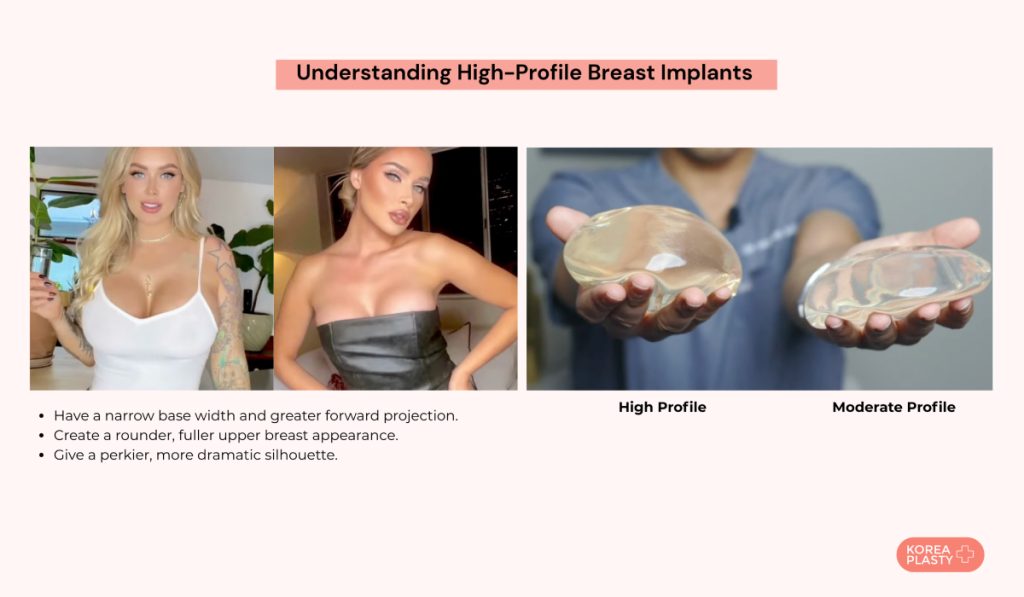
What are high profile breast implants?
High profile implants provide patients with rounder breasts, and the reason for this appearance is the narrow diameter of the base width. This makes the upper pole of the breast look more full, while high profile breast implants also give a larger projection. They create a perkier, more dramatic silhouette that complements women with narrow chest walls or petite frames, balancing their entire profile. Although these implants look less natural on some patients, careful matching to ribcage size, breast width, and personal aesthetic goals ensures the result appears proportionate and balanced.
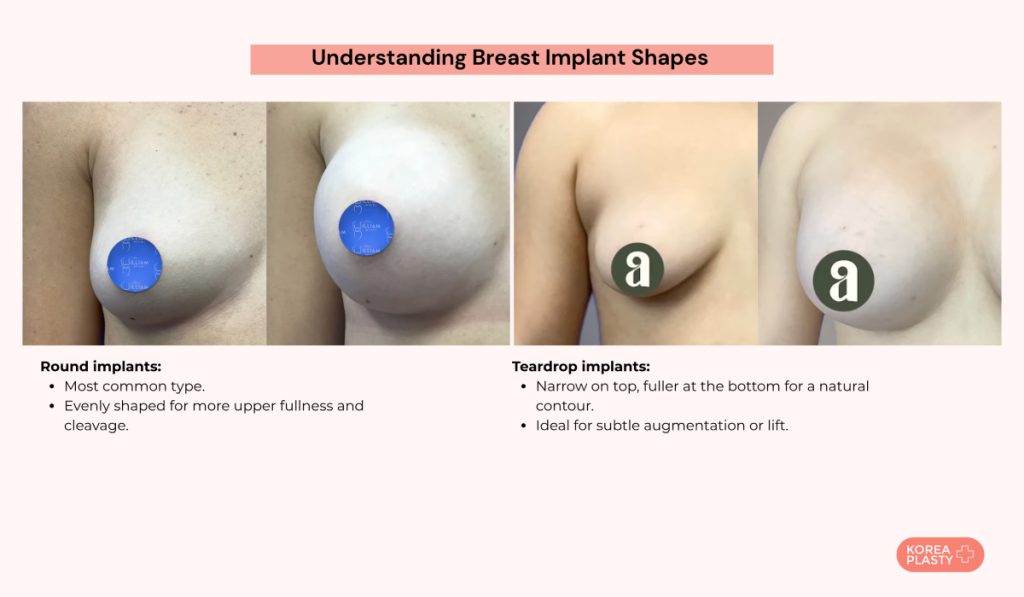
What are the breast shapes for augmentation?
Breast implants are available in two shapes: round and teardrop. Round implants are the most commonly used shape. They have a symmetrical, consistent shape all over and promote more upper breast fullness and cleavage. Saline implants only come in round implant shapes.
Teardrop-shaped implants are narrower on top and gradually widen toward the base, giving breasts a more natural contour that is fuller at the bottom. Teardrop implants are suitable for women who want subtle augmentation or a breast lift with augmentation and are often best for petite builds with little breast tissue. Silicone and gummy bear implants are available in both round and teardrop shapes.

What are the most natural-looking breast implants?
Silicone breast implants-particularly cohesive gummy bear styles-are the most natural looking devices available. Their soft, form-stable gel mimics real breast tissue, resists rippling, and maintains an anatomical contour.
Moderate-profile, anatomical implants with dimensions slightly less than the natural breast boundary typically produce the most balanced result. Low-profile devices are recommended for wider chests, whereas projection is kept conservative to avoid an overly round upper pole. Mentor Implants, a preferred supplier, offers cohesive gel options that feel and resemble real breast tissue once positioned behind the muscle.
A study from 2016 concluded that a breast with an upper-pole-to-lower-pole ratio of 45:55 percent is perceived as the most attractive; gummy bear implants replicate this proportion. Implant width must match native breast width to prevent edge visibility or tissue thinning. When width, height, projection, and profile are selected in harmony with existing breast tissue, the augmented breast moves naturally with the body and is virtually indistinguishable from an un-operated one.
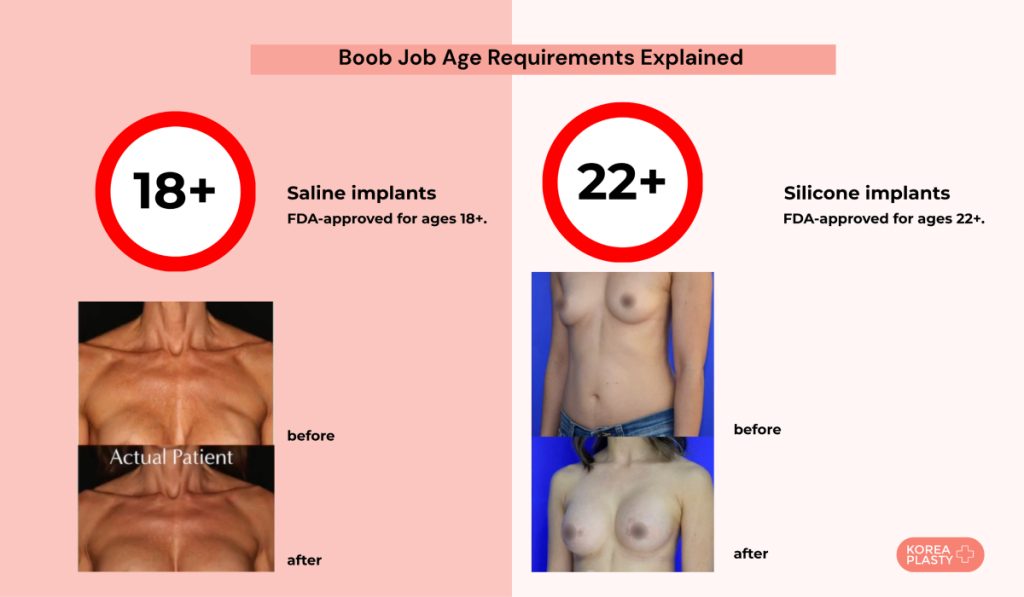
What age can you get a boob job?
Breast augmentation is generally not recommended for those under 18 because breasts continue to grow and change; parental consent is required for anyone under 18. The FDA approves saline-filled implants for women 18 and older, while silicone gel-filled implants are approved starting at age 22. There is no maximum age limit: patients in their 50s, 60s, and 70s can undergo the operation as long as overall health permits. Across all ages, the average patient receiving breast augmentation is about 34 years old.
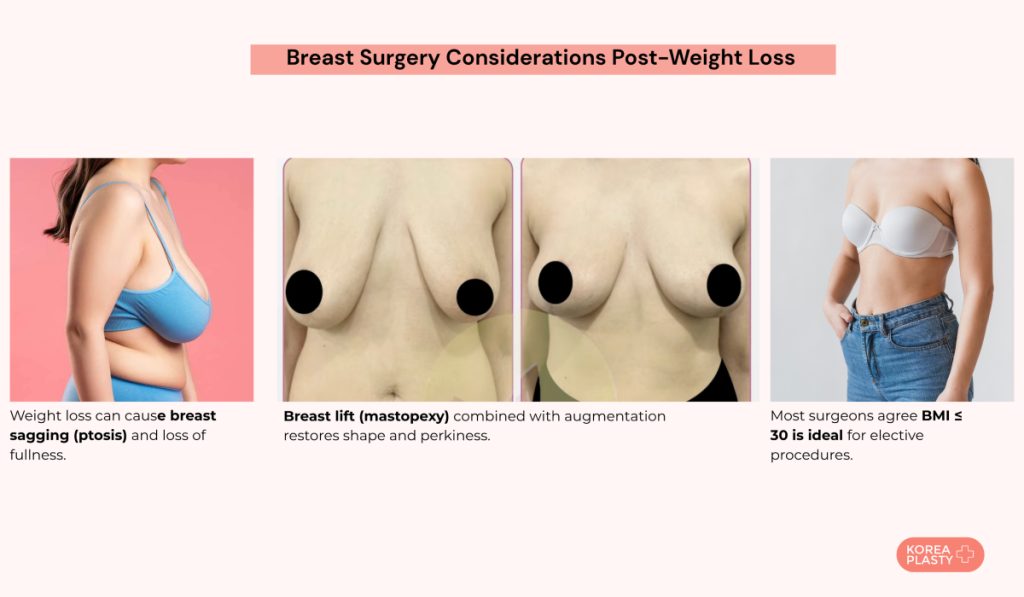
Is breast augmentation recommended after weight loss?
Breast augmentation restores fullness of breasts after weight loss. Weight loss often leads to a sagging appearance known as ptosis. Breasts change dramatically after massive weight loss. Combining a breast lift with breast augmentation is necessary. Mastopexy tightens and re-drapes existing breast tissue to create a perkier breast shape after deflation from weight loss.
If you are planning to lose weight before your breast augmentation, it’s important to delay the procedure. Most breast surgeons are of the opinion that body weight is not a major factor in determining candidacy for breast implant surgery. Some medical professionals, however, recommend a BMI of 30 or below as the limit before a patient is ready to undergo an elective surgery, like breast augmentation.
Can I carry a baby after breast augmentation?
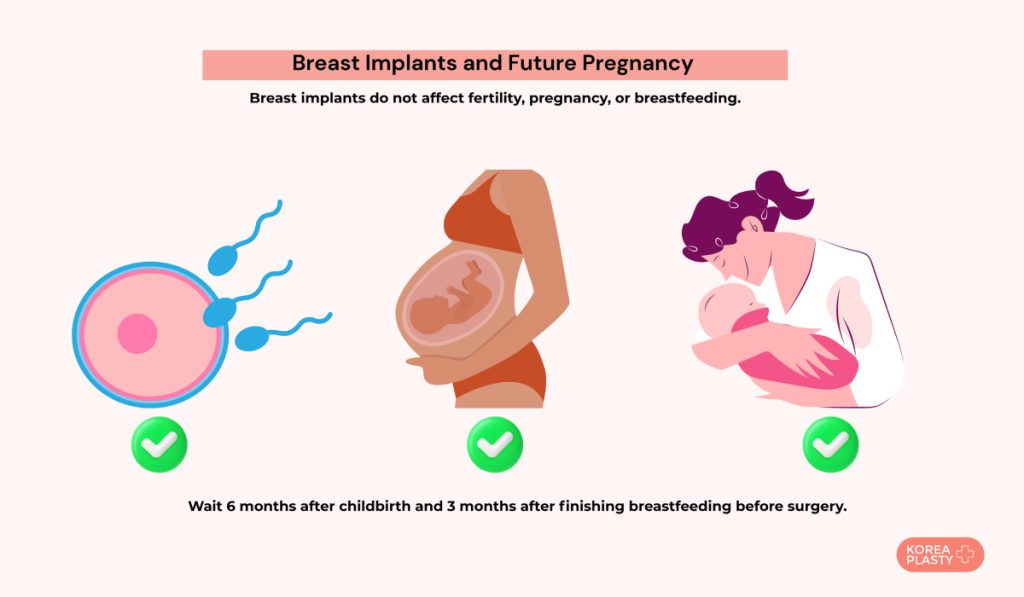
Yes. Breast augmentation surgery does not affect a woman’s ability to conceive, and breast implants do not interfere with fertility or the course of pregnancy. If you unexpectedly become pregnant after augmentation, there is no need to worry; implants are completely safe for both pregnancy and breastfeeding, and most women can favorably breastfeed if they wish.
Planning is important. Surgeons generally advise delaying augmentation until you are done having children, because future pregnancies alter breast size and shape and lead to the need for revision surgery with 80% chance. If you have already given birth, it is recommended to wait six months after childbirth and three months after you finish breastfeeding before scheduling surgery, so tissues return to their baseline state.
During the early recovery period, you will need help with childcare. Patients are advised not to lift toddlers or anything heavy for the first two weeks; light lifting is allowed after 2–4 weeks, depending on your healing progress and your surgeon’s clearance. You must also avoid holding your child while they are kicking or playing roughly for several weeks after surgery.
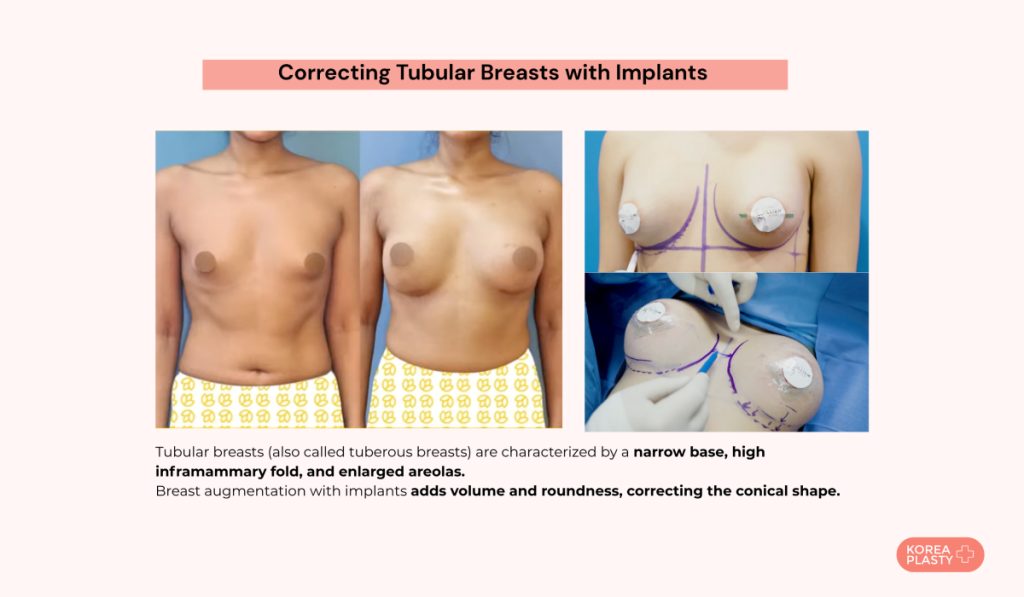
Are breast implants effective for tubular breasts?
Breast augmentation surgery is one of the most effective options for treating tubular breasts. Implants widen the base, increase volume, increase symmetry and help women achieve the fullness and rounder shape they naturally lack. When combined with mastopexy or glandular scoring, breast implants dramatically enhance the contours of tuberous breasts and provide a permanent solution that reshapes and resizes the chest for a more feminine look.
However, the majority of patients with tuberous breasts cannot achieve their desired results through breast augmentation with breast implants alone. Most require a combination of breast remodeling techniques, including tissue expansion, fat grafting, or flap procedures: the DIEP and TDAP flaps. Mild cases are corrected with lift and fat injection, avoiding implants, yet fat grafting results are not as robust or predictable as those achieved with breast implants.
Are breast implants used after a mastectomy?
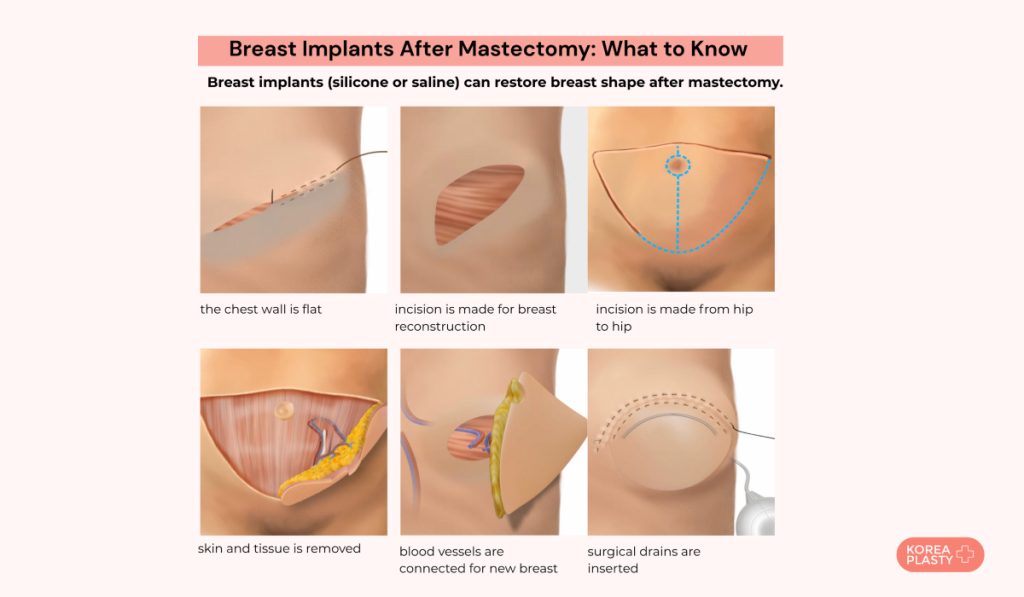
Breast implants (silicone or saline) are a good option to rebuild a breast’s shape after a mastectomy. Once the diseased breast tissue is removed, the surgeon positions the final implant in the mastectomy envelope, the hollow space between the skin and muscle.
Implant reconstruction is either immediate or delayed. In direct-to-implant reconstruction, a single-stage surgery combines mastectomy and final reconstruction; no tissue expander is used, and the permanent implant is placed under the chest muscle during the same operation. Delayed reconstruction will be chosen months later if skin is too tight, blood supply is poor, or additional cancer treatments are needed.
Autologous tissue is used to cover the implant when there isn’t enough skin and muscle left after mastectomy.
Do breast implants prevent sagging?
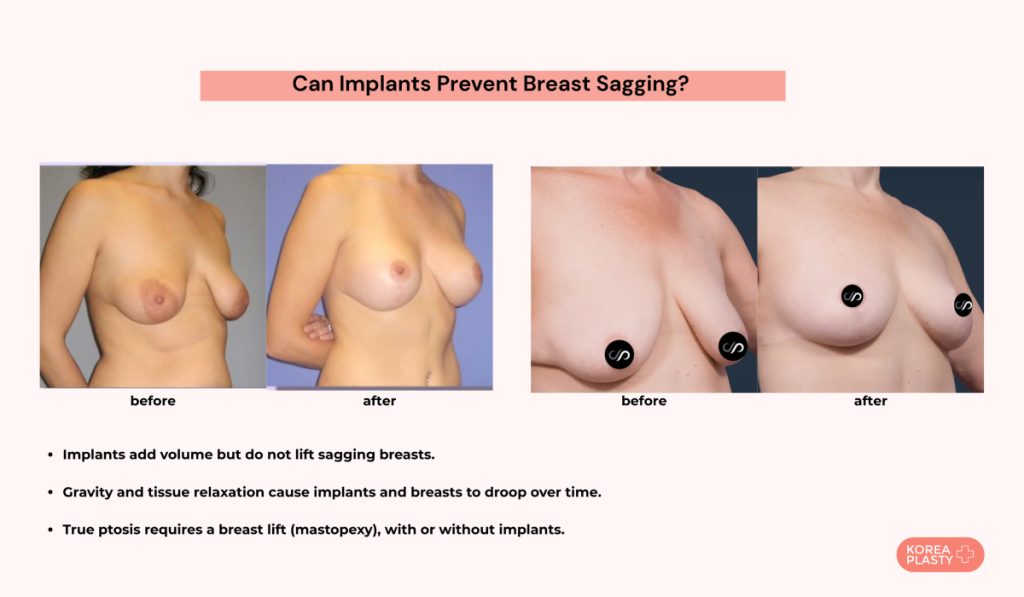
Breast implants alone will likely not prevent sag in breasts that are already sagging. Breast implants are not designed to lift sagging breasts; they add volume, not elevation. Placing the implant under the chest muscle does not prevent sagging. Implants do not address the underlying issue of breast ptosis. Over time, gravity pulls the implants down, and the tissue relaxes, leading to recurrent sagging. If breasts appear saggy because of lost volume rather than excess skin, implants refine projection and fullness, yet the breast exhibits ptosis. True ptosis requires a breast lift, with or without implants, because a lift repositions the breast tissue and nipple-areolar area. Moderate- or high-profile implants are not prudent to correct sagging; total breast lift is necessary in more acute cases.
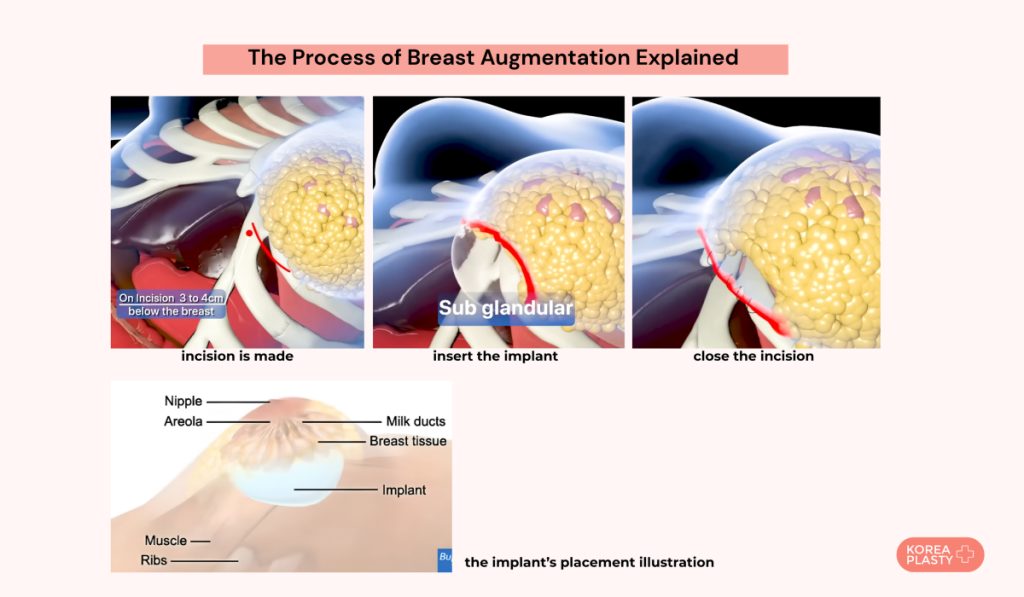
How does breast augmentation work?
Breast augmentation is done by placing implants behind breast tissue or under the chest muscle. The surgeon first creates pockets in breast tissue and then inserts either saline or silicone implants through incisions made under the breast, under the arms, or around the areola. The procedure is performed with general anesthesia, takes approximately one to two hours, and is done at an outpatient surgery clinic or in a hospital. After placing the implant the surgeon closes the incisions and the patient returns home the same day.
An alternative way to increase breast size is fat transfer breast augmentation, which uses liposuction to take fat from another area of your body and then injects the purified fat into strategic locations within your breast area, providing a small, natural increase in size.
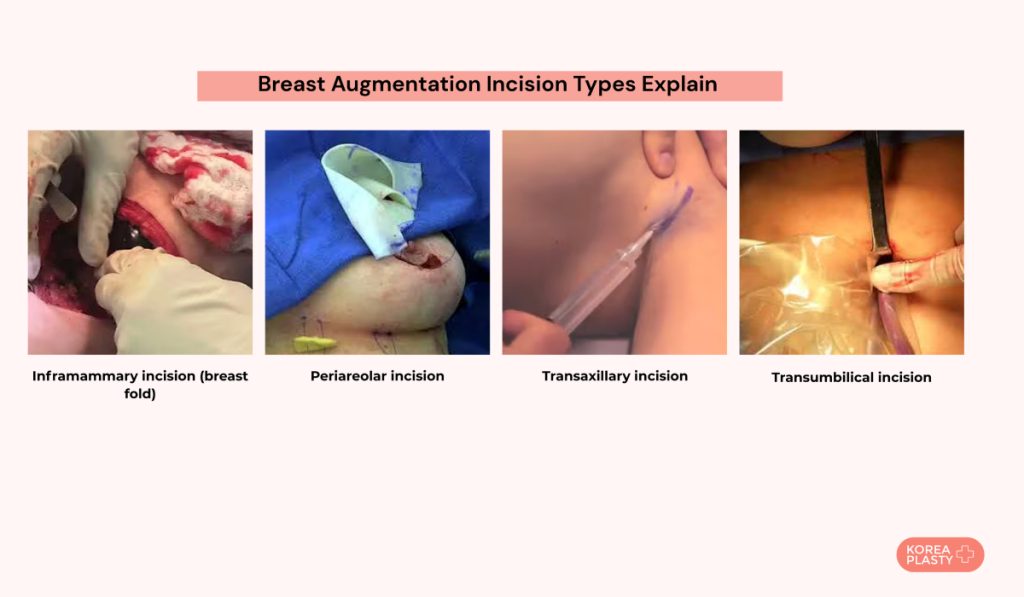
What are breast augmentation incision types?
Most surgeons are well versed in the two most common incisions, and the inframammary fold (IMF) is the natural lower boundary of the breast where it meets the chest.
The breast augmentation incision types are explained below.
- Four breast augmentation incision types are inframammary incision, transaxillary incision, periareolar incision and trans umbilical incision;
- Periareolar incision is a classic approach to breast augmentation surgery;
- Transaxillary incision is a type of breast augmentation incision;
- Inframammary incision otherwise known as the breast fold incision is the most common breast augmentation incision technique used in the United States;
- Incisions for insertion of breast implants are most commonly placed in the inframammary fold, areola, or axilla;
t Omaha’s Westfield Plastic Surgery Center specializes in four breast augmentation;i
- Trans umbilical incision is a popular incision type in which empty implants are inserted through the navel and up to the breast then inflated; Trans umbilical incision is called a scarless breast augmentation procedure.
Periareolar incision is made around the nipple along the lower half of the areola; it hides the scar in plain sight, is suitable small to medium breast implants, and combines with breast lift or mastopexy, yet it associates with a higher risk of capsular contracture and causes loss of nipple sensation if implants are too large. Transaxillary incision is made inside the crease of the armpit, hides scars better than any other option, and is recommended for women who need no visible scarring, although it limits implant size with 80% chance.
Is it better to put breast implants over or under the muscle?
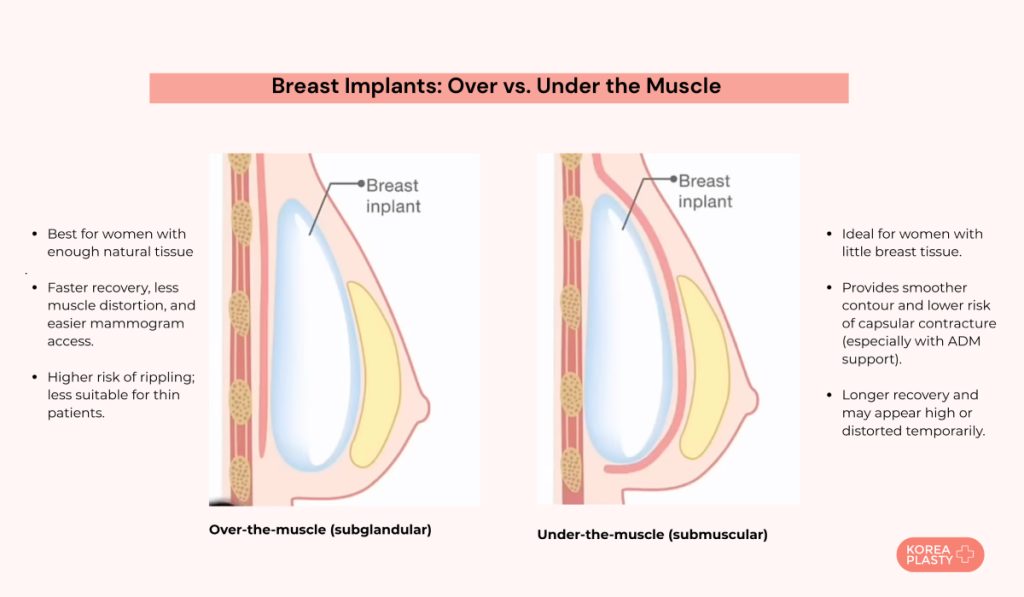
Surgeons have realized that the decision about whether to place the breast implant above the chest muscle or behind the chest muscle depends on the individual patient.
Over-the-muscle placement (called subglandular) positions the implant on top of the chest muscle and under the glandular breast tissue. This technique is recommended for women with a fair amount of natural breast tissue, because the extra tissue helps conceal the implant. Over-the-muscle placement avoids stretching of the chest muscle, allowing a relatively faster healing period when compared to under-the-muscle placement. It also offers less implant distortion for bodybuilders and patients who perform pectoral workouts, and it has less interference with mammograms and breast screenings. However, subglandular placement increases the likelihood of visible implant rippling and is not the best option for women with a thin or small body frame.
Under-the-muscle placement (submuscular) positions the implant beneath the pectoralis major muscle. This placement is recommended for women with minimal breast tissue or smaller breasts, because the chest muscles help hide rippling in implants and make the implant edges less visible. Submuscular placement leads to a relatively longer recovery period than over-the-muscle placement, and it causes the implants to look unnaturally high on the chest and slightly distorted in the short term. Nonetheless, under-the-muscle placement has a lower rate of capsular contracture, especially when additional supportive materials: acellular dermal matrix (ADM) are used.
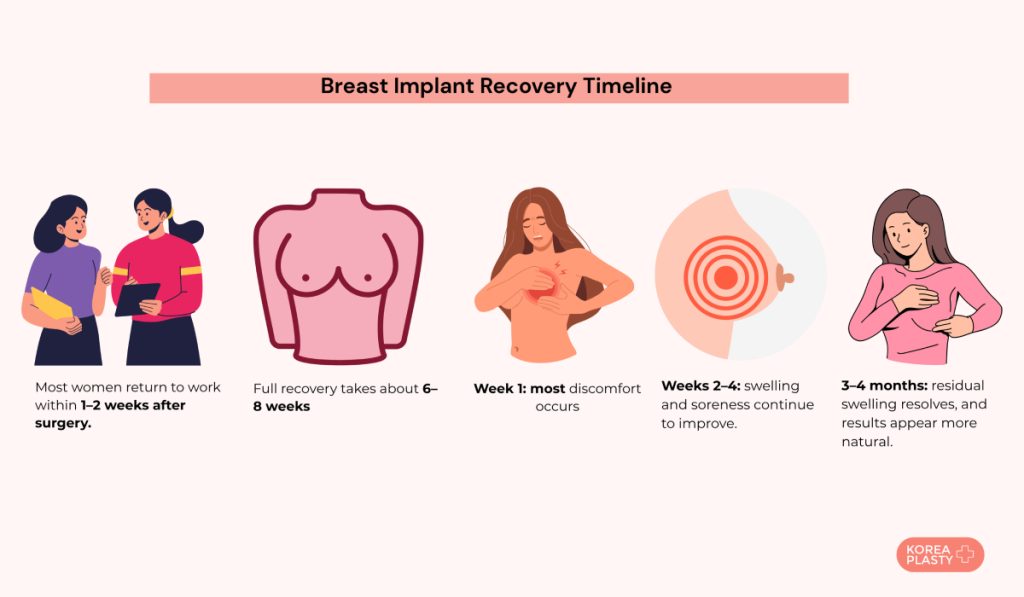
How long is recovery from breast implants?
Most women are able to return to work within one to two weeks after breast augmentation, yet full recovery after breast augmentation can take up to six months. Patients take about 6–8 weeks to recover from a breast augmentation procedure fully; by the 4–6 week mark, you feel little to no pain from surgery, and you feel normal and start to notice your new breasts take shape around the 6–-8 week mark. The first week of recovery after breast implant surgery is typically the most uncomfortable phase, but after five to seven days your pain and discomfort will decrease. Weeks 2–4 show gradual improvement, and swelling subsides after several weeks; however, complete resolution of residual swelling requires time, and it takes 3–4 months to achieve final results. Scar healing takes up to a full year, and scars typically fade over 12–18 months. Implant type, implant size and placement affect recovery time, so recovery time varies for every patient.
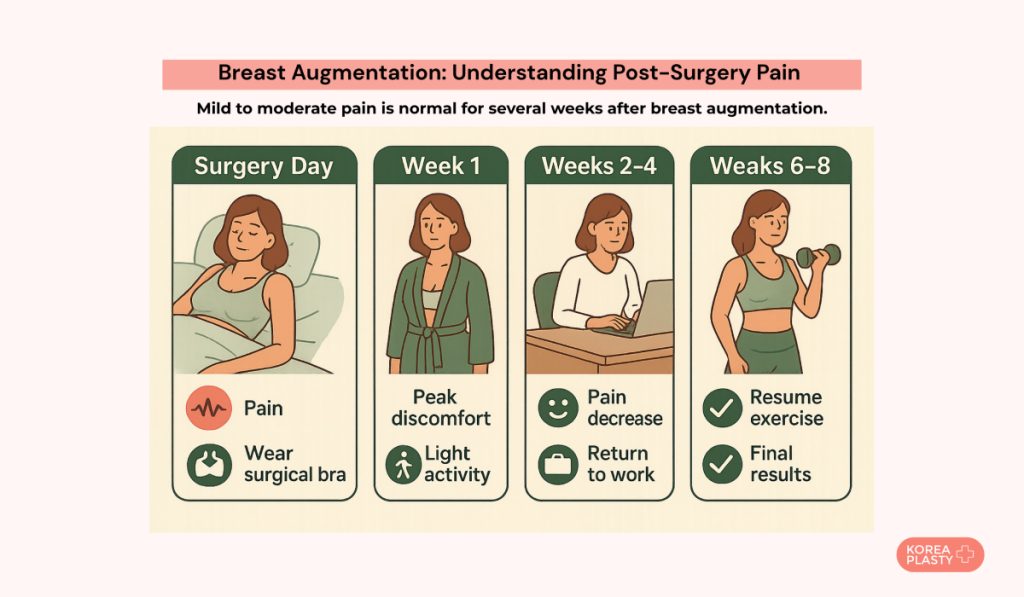
Is pain normal after breast augmentation?
Pain is normal after breast augmentation. Pain can occur in the breast area and last for several weeks. There is no cause for concern unless the pain is severe or persists for weeks.
Yes, some pain is a normal part of recovery. During the first two to three days the breasts feel tight and the discomfort is most intense; swelling and bruising peak around days three to four and then begin to subside. Rib, chest, and upper-back pain are common because the pectoral muscles stretch over the implants and posture changes as the body balances new weight; this ache lasts from a few weeks to two months. Sharp, stabbing, or throbbing sensations shoot through the breast or along the ribs, and intermittent tingling continues up to a year while nerves regenerate. Nipple burning, soreness, or heightened sensitivity is expected and usually resolves within six to eight weeks; in the interim, a small piece of gauze or pasties cushions the area.
Pain linked to the incision is especially noticeable in the first days; constant but slowly resolving soreness is expected, and most women find the overall intensity drops markedly after the first five days. While mild discomfort is routine, pain that cannot be controlled with prescribed medication, or that suddenly worsens or extends beyond the anticipated timeline, warrants prompt medical evaluation to rule out complications like capsular contracture, implant position change, or neuroma.
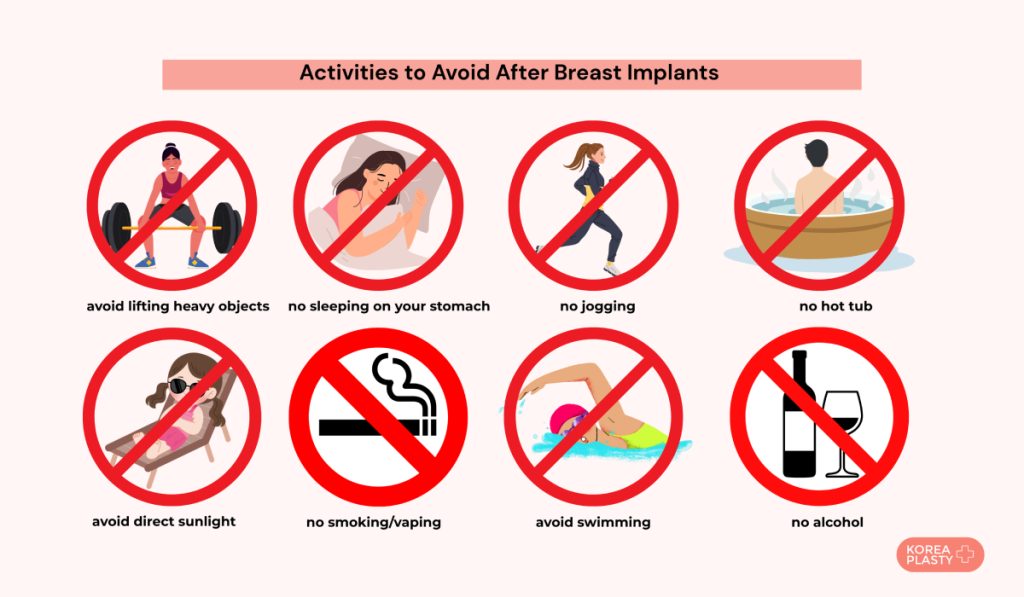
What can’t you do after a boob job?
For the first two weeks you must not lift heavy objects, raise your arms above your shoulders, or sleep on your stomach or sides. Instead, you sleep on your back with your upper body raised 30 to 45 degrees. Running, stretching, and high-impact exercise are avoided for 4 to 6 weeks, and sexual activity is postponed for two weeks. You avoid underwire or push-up bras for six weeks, wear only the surgical or soft support bra your surgeon supplies, and delay buying new bras until implants have settled. Baths, hot tubs, swimming pools, and any submersion are forbidden for at least six weeks; only a tepid shower is permitted after 48 hours while you keep the dressing dry and prevent direct water streams from striking the incisions. Sun exposure on fresh scars is avoided for several months, and you abstain from smoking, vaping, nicotine products, and alcohol because they impair healing and increase infection risk. Driving is deferred until you no longer need prescription pain medication, and flying is delayed until cleared by your surgeon to lower the risk of blood clots.
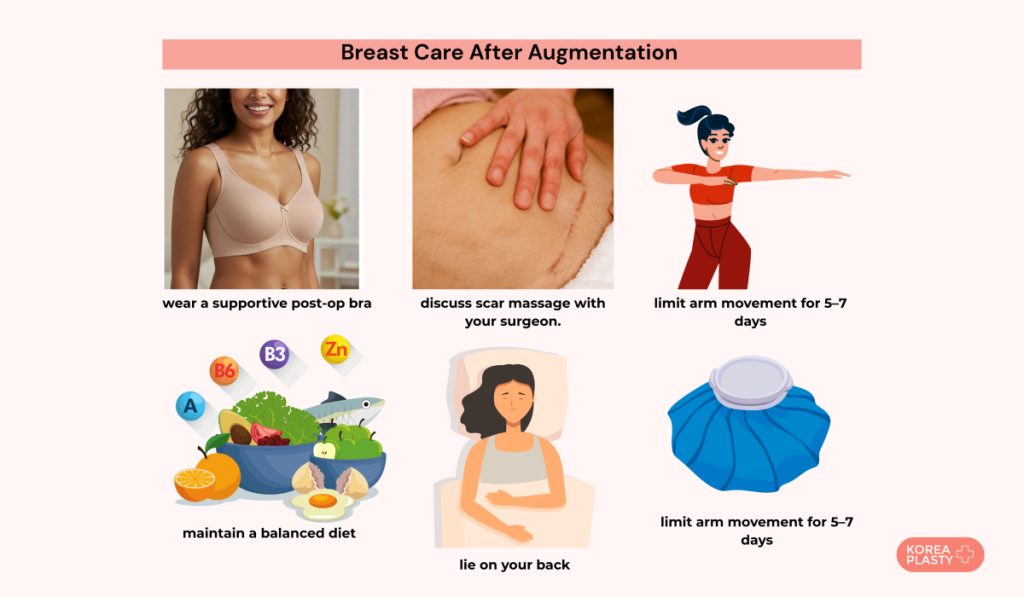
How to care for breast after augmentation?
To care for your breast after augmentation follow the instructions given below.
- Wear a supportive post-operative bra for the entire first week after surgery; keep the chest strap snug and positioned above the implants during the initial healing phase, but remove it to shower; avoid underwire bras or any bra that pushes the breasts up for at least six weeks; continue wearing a soft, supportive bra, even while sleeping, for six weeks after surgery; purchase new bras after 8–12 weeks once swelling subsides.
- Pad the incisions with gauze for comfort and take it off 48 hours after your surgery; attend all wound care and follow-up appointments with your surgeon (usually five to seven days after surgery); discuss with your surgeon when to begin scar massage.
- Avoid lifting more than 25 pounds for about three weeks; restrict excessive arm movement for 5–7 days; rest and avoid strenuous activity for at least a long weekend; avoid direct physical contact with the breasts for six weeks.
- Sleep with the upper body elevated and lying on their back; use cold compresses and over-the-counter pain relievers such as acetaminophen or ibuprofen to manage discomfort; follow a balanced diet and get plenty of rest.
The FDA recommends having silicone implants screened via MRI three years after breast augmentation surgery and every two years after that; you tell the technologist about your implants before your mammogram so that four extra pictures can be taken. Regular monitoring allows appropriate action if needed.
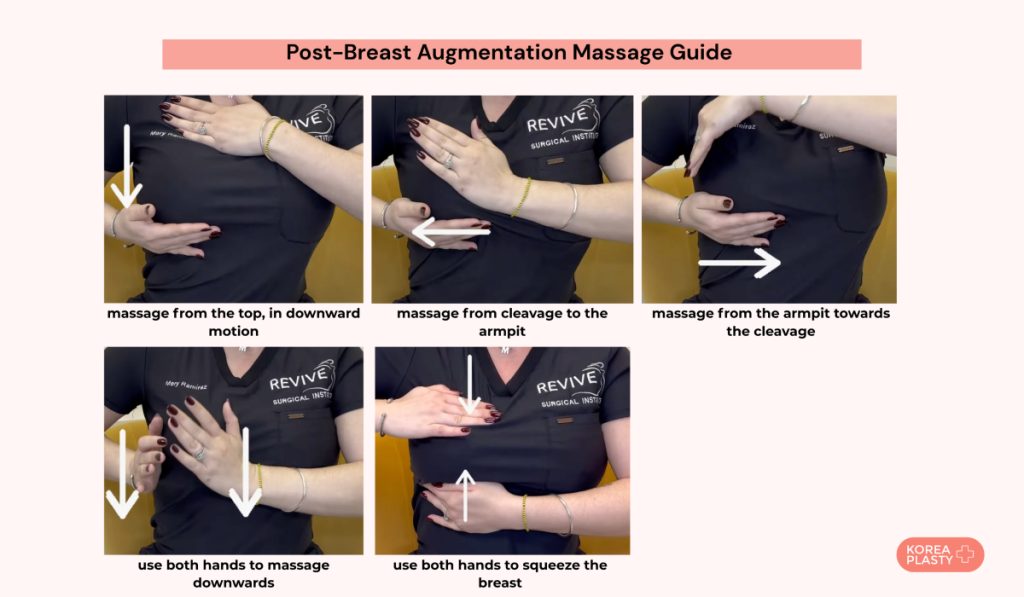
How to massage breast after augmentation?
To massage breast after augmentation follow the instructions given below.
- Massage your breasts for 5 minutes two to three times a day during the first two months after surgery;
- Massage breast using gentle circular motion beginning at top center;
- Massage your breasts five minutes once a day after the first two months or as often as recommended;
- Perform upward massage technique to stretch out implant capsule and push breast upward;
- Massage your breasts twice daily in supine position, especially for the first 3-6 months after surgery;
- Conduct breast massage lasting from 2 to 5 minutes for each breast;
- Use dominant hand to conduct massage while other hand cups and supports breast comfortably;
- Place open hand on each side of one breast and gently squeeze breast before similarly squeezing other breast;
- Massage your breasts after breast augmentation surgery to reduce growth of scar tissue capsule around the implant;
- Massage breast implants up, down, left and right;
- Massage your breasts after breast augmentation surgery to keep breasts soft and flexible;
- Continue alternating and massaging each breast 10 times;
- Perform several different massage techniques following breast augmentation surgery;
- Introduce breast massage between 2 days and 2 weeks postoperatively;
- Continue massaging your breasts on a less frequent daily basis for up to 1 year;
- Move implant up, down, and side to side during massage;
- Postpone postoperative breast massage until tissue totally recovered;
- Perform breast massage to prevent capsule hardening;
- Perform breast massage to reduce risk of capsular contracture;
- Perform breast massage to heal incision wound faster;
- Perform massages to optimize augmentation outcome;
- Cup one hand over each breast and press downward then upward;
- Work on one breast at a time with both hands;
- Evaluate outcomes including massage technique, onset, frequency, and incidence of capsular contracture;
- Massage to help implant settling;
- Push each breast toward the middle of the chest, hold then pull breasts outward;
- Grab one shoulder with opposite hand and use arm to compress one breast then other.
Begin only after your surgeon confirms that the tissue has recovered, usually between 2 days and 2 weeks postoperatively. Continue the routine on a less-frequent daily basis for up to 1 year to help the implant settle, maintain soft and flexible breasts, and shorten overall recovery time.
What are the best exercises after breast augmentation?
The best exercises after breast augmentation are outlined below.
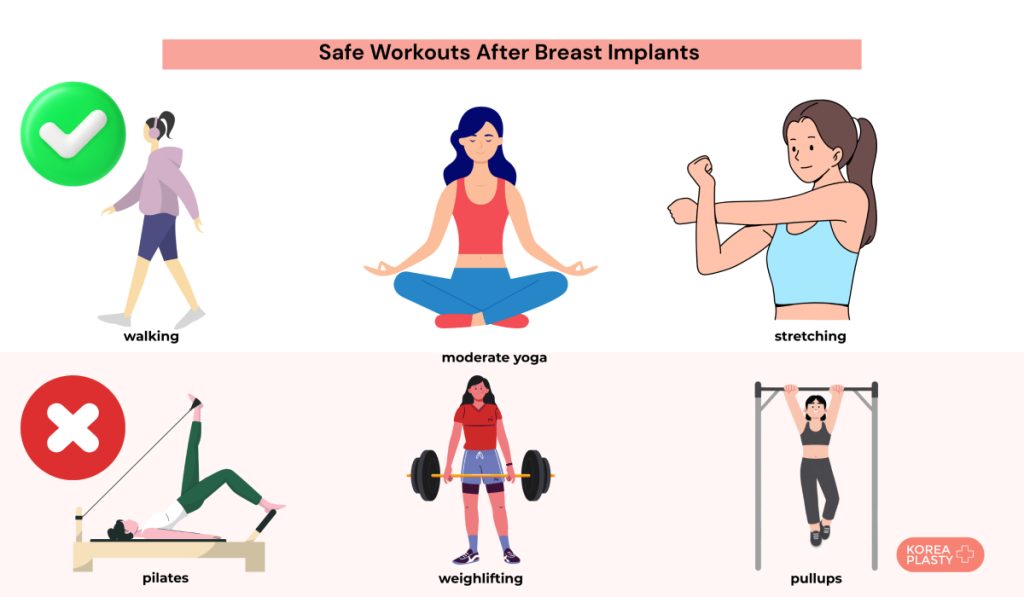
- Low-impact exercises include walking, moderate yoga, and stationary cycling after breast augmentation;
- You should avoid advanced pilates and yoga poses, chest press, overhead presses, bench press, and using arm devices on elliptical trainers after breast augmentation;
- Low-impact exercises can be safely participated in after breast augmentation;
- Gentle cardiovascular exercise recommended after fourteen to twenty-eight days after breast augmentation;
- Light exercise recommended after seven to fourteen days after breast augmentation;
- Boost intensity and strength training recommended between four and six weeks after breast augmentation;
- Exercising after breast augmentation aims to help you get back to your normal activities and a full range of movement;
- You can resume moderate intensity running, cardio, and swimming after breast augmentation;
- Walking in the first two weeks is recommended after breast augmentation;
- Exercise after breast augmentation starting with walking in the first two weeks;
- Stretching exercises should be done every day after breast surgery;
- Gentle cardiovascular exercise from fourteen to twenty-eight days after breast augmentation;p
- Using arm devices on elliptical trainers or related exercise equipment should be avoided after breast augmentation;
- Full workouts should progress over approximately eight weeks after breast augmentation;
- Stationary cycling can be safely participated in after breast augmentation;
- Walking can be safely participated in after breast augmentation;
- Overhead presses and deadlifts should be avoided after breast augmentation;
- Exercise after breast augmentation should be introduced gradually;
- Exercise after breast augmentation progressing to full workouts slowly over the course of approximately eight weeks;
- Breast care nurse provides detailed information about the exercises you should do after breast augmentation;
- Six weeks after breast surgery you should be able to resume most normal exercises;
- Signs of overexertion include changes in breast shape during or after exercise after breast augmentation;
- Progressing to full workouts slowly over the course of approximately eight weeks after breast augmentation;
- Exercises that stretch the tissues around your chest will help you get your normal motion back;
- Shoulder motion should be restored after breast surgery;
- Repetitive arm movements should be avoided 3-4 weeks post-op;
- Pullups and pushups should be avoided.
In the first week you are limited to walking around the house; short walks around the room or home every other hour promote blood flow. Full workouts progress slowly over approximately eight weeks.
What are the side effects of breast implants?
The side effects of breast implants are detailed below.
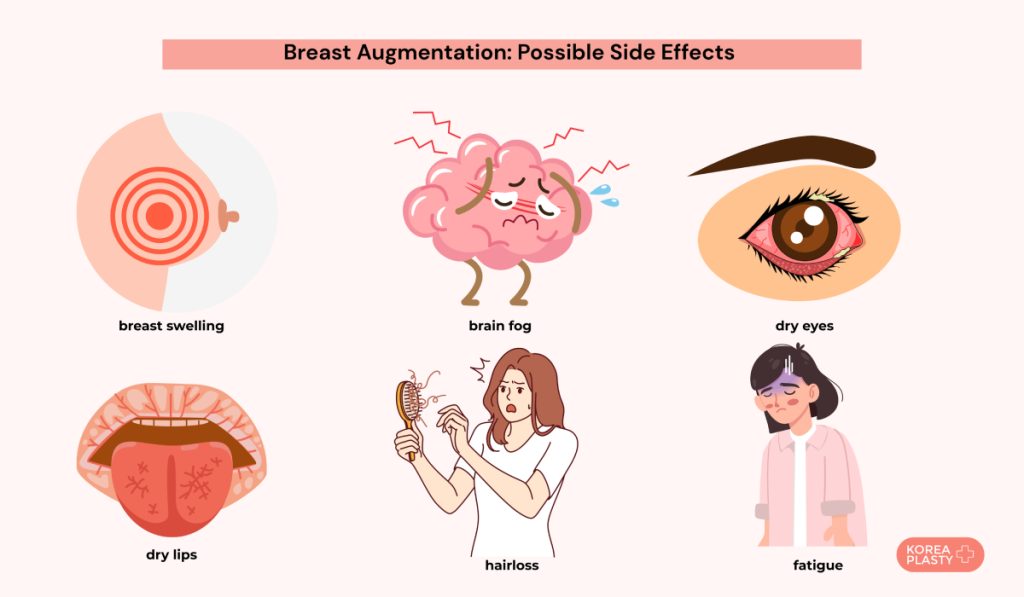
- Breast implants may cause rapid breast swelling (edema) or fluid buildup around the implant site;
- The most common symptoms associated with breast implant illness are brain fog (95%), fatigue (92%), joint pain (80%), and hair loss (74%) related to breast implants.
- Breast implant illness (BII) may include joint and muscle pain, muscle weakness (myopathy), anxiety and depression, memory loss, trouble concentrating, rash, dry mouth, dry eyes, gastrointestinal problems, hair loss, and fatigue connected to breast implants.
- Breast implants may cause chronic pain in the vicinity of the implant.
- Implant complications include breast pain and changes in nipple and breast sensation due to breast implants;
- Breast augmentation complications may include breast pain, changes in sensation, scar tissue, rupture, deflation associated with breast implants;
- Breast implants may cause scar tissue formation around the implant location;
- Breast implants may cause breast firmness or hardness near the implant area, or even a chronic inflammation in tissues surrounding the implant;
- Breast implants may cause infection, biofilm infection around the implant site;
- Breast implants may affect the endocrine system, which can lead to changes in hormone levels, particularly estrogen and progesterone, due to the implants;
- The most common complication of breast implants is capsular contracture, a condition affecting breast implants;
- Breast implants may cause changes in breast shape or appearance due to the implant;
- Breast implants may cause scar tissue (capsule) that squeezes the implant, leading to complications;
- Breast implants may cause changes in nipple and breast sensation because of the implant;
- Breast implants may cause chest wall deformity related to the implant placement.
Breast implants are not lifetime devices, so complications and repeat operations are expected over time. Implants will rupture – silicone ruptures silently, whereas saline rupture causes visible deflation-triggering additional surgeries. Other implant-specific problems include visible rippling or wrinkling, infection, biofilm infection, delayed wound healing, hematoma, extrusion, breast tissue atrophy, calcification/calcium deposits, chest-wall deformity, and changes in nipple and breast sensation. A second group of side effects is systemic. These systemic symptoms are thought to stem from chronic inflammation and immune-response activation triggered by the implant; an association was found between the number of symptoms reported prior to explantation and the number resolving following implant removal, with 97% of surveyed patients reporting relief after explantation. Finally, breast implants have been linked to specific cancers and reproductive issues. Breast implant-associated anaplastic large cell lymphoma (BIA-ALCL), a type of non-Hodgkin’s lymphoma, develops in fluid or scar tissue around the implant; certain textured implants were voluntarily recalled after being linked with BIA-ALCL. Reports also include squamous cell carcinoma (SCC), various lymphomas other than BIA-ALCL, and mesenchymal tumors like sarcoma in the capsule. Reproductive problems and low-birth-weight infants have been noted, although other factors explain these findings. Because risks increase with time, patients must plan for long-term follow-up and additional surgeries.
What are the symptoms of your body rejecting breast implants?
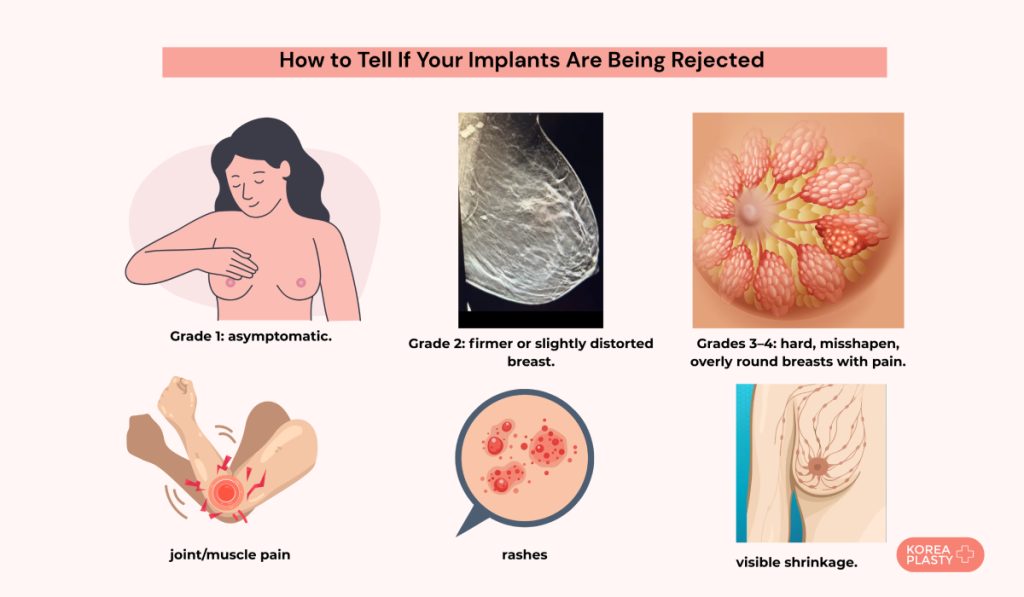
If you develop unexplained symptoms that you suspect stem from breast implants, talk with a board-certified plastic surgeon. Implants are foreign objects; the body usually isolates them with scar tissue, but this is not medical rejection. Sometimes the tissue capsule tightens, causing capsular contracture-this is the body isolating the implant, not rejecting it. Capsular contracture grades three and four cause hard, misshapen, overly round breasts and pain; grade two only makes the breast firmer or slightly distorted, while grade one is asymptomatic.
Painful or uncomfortable implants signal rupture. A saline implant rupture leads to immediate deflation; the breast appears somewhat deflated as saltwater leaks out quickly. A silicone gel-filled implant rupture produces subtler changes: decrease in breast size, shape change, or lumps of silicone gel within or near the breast. Tingling, numbness, burning, or changes in sensation follow silicone leakage. Intra-capsular rupture means gel stays trapped inside the scar pocket, yet still triggers inflammation, pain, or tenderness.
Some patients report a broader cluster of symptoms collectively referred to as breast implant illness (BII). BII is not an official medical diagnosis, and symptoms start immediately after implantation or years later. Reported issues include chronic fatigue, joint and muscle pain, hair loss, depression, anxiety, brain fog, memory loss, trouble concentrating, dry mouth and eyes, skin rashes, and gastrointestinal problems. Autoimmune condition symptoms or diagnosis are present in breast implant illness. Researchers still do not fully understand breast implant illness, but surgery to remove breast implants resolves or improves these symptoms for many patients.
Can breast implants cause cancer?
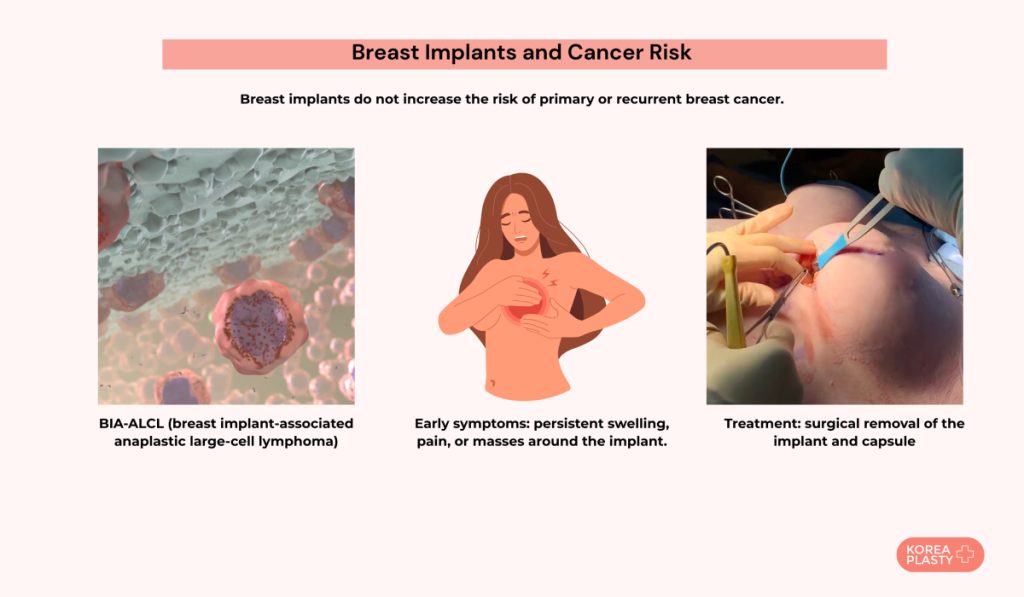
No. Extensive research shows that breast implants do not increase the risk of primary or recurrent breast cancer. Epidemiological studies and committee conclusions agree that silicone, saline, textured, and smooth implants do not raise the frequency of breast cancer in any population.
Nevertheless, rare cancers arise in the scar-tissue capsule that forms around every implant. Breast implant-associated anaplastic large-cell lymphoma (BIA-ALCL) is a cancer of the immune system, not breast cancer. It occurs in the fluid or scar tissue surrounding certain textured implants, and fewer than 5,000 women worldwide have been diagnosed. Breast implant-associated squamous-cell carcinoma (BIA-SCC) is an even rarer skin-type cancer reported in the capsule. The FDA is aware of fewer than 30 cases of various lymphomas and fewer than 20 cases of SCC in capsule tissue.
Researchers know chronic inflammation or infection around the textured surface stimulates immune cells and allows these rare cancers to develop, and genetics is pivotal. Early symptoms include persistent swelling, pain, or masses around the implant. When detected early, BIA-ALCL and BIA-SCC usually respond well to surgery that removes the implant and the entire capsule; chemotherapy is reserved for disease that has spread beyond the lymph nodes.
Breast implants make routine cancer screening slightly more difficult. Implants obscure some breast tissue on standard mammogram views, so implant-displacement views and additional pictures are taken for better visualization. Mammograms, ultrasound, or MRI check implant integrity. Women with implants follow the same screening guidelines as women without implants, inform the technologist about their implants, and promptly report any changes around the breast or implant to their health-care provider.
How long do breast implants last?
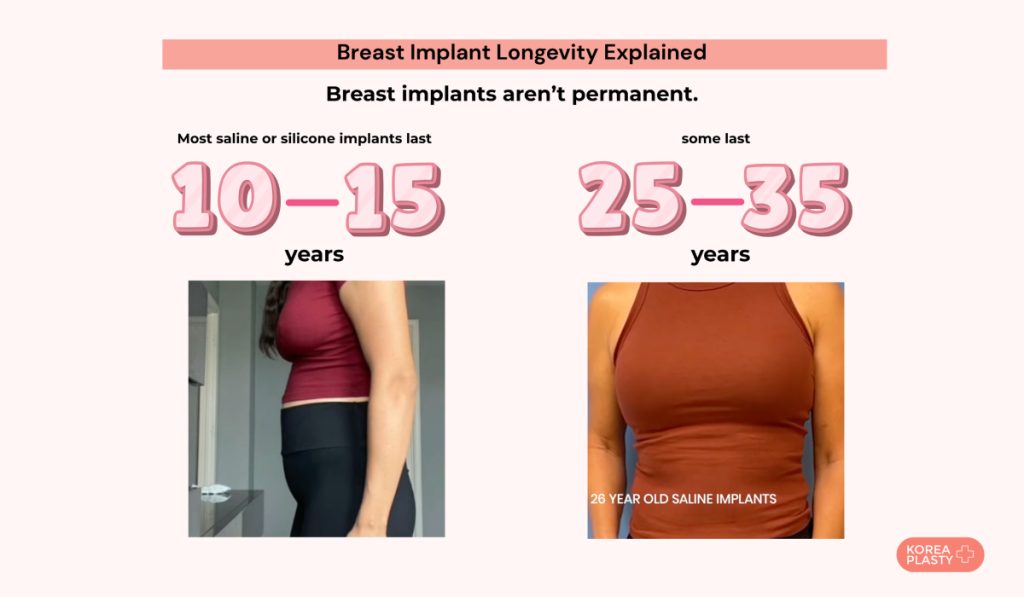
Breast implants do not last forever. Most saline or silicone implants last at least 10 years before they need replacing, and many remain in good shape for 15-20 years or more. Updated research shows that some women have had implants for 25 or even 35 years before one leaked or ruptured. Nevertheless, up to 20 percent of patients have implants removed or replaced within 8-10 years, either because of complications or cosmetic concerns.
The older the implants, the greater the risk of rupture; silicone gel implants therefore require screening with ultrasound or MRI 5-6 years after surgery and every 2-3 years thereafter. After 10 years, about one in five patients needs some sort of revision procedure. Because implant durability varies with body response, lifestyle, and implant type, a board-certified plastic surgeon will monitor each patient individually and recommend an exchange after 10-15 years, even if no problems are apparent.
What are the pros and cons of breast augmentation?
The pros and cons of breast augmentation are outlined below.
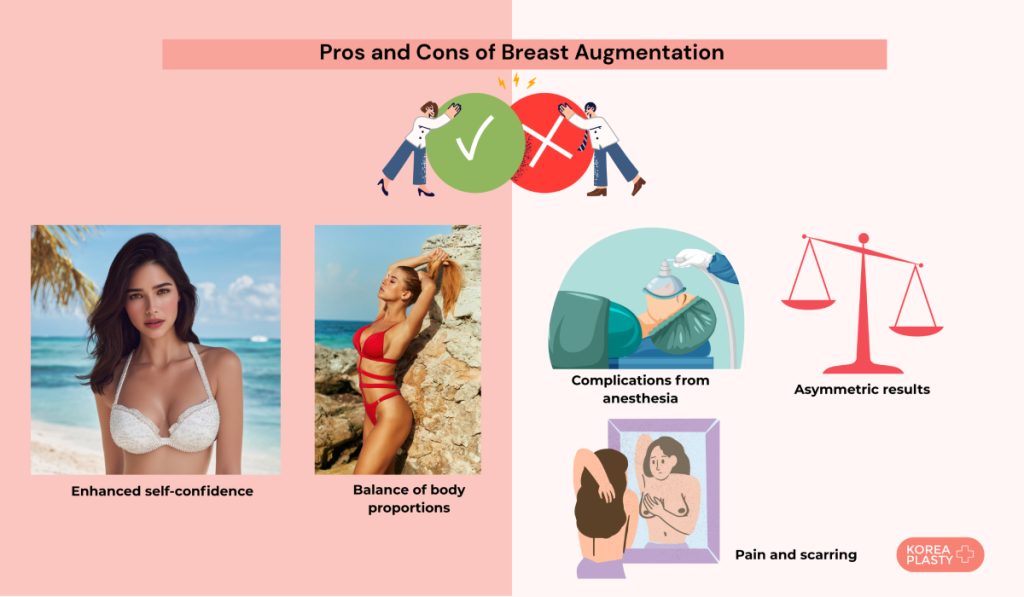
| Pros | Cons |
| Enhanced self-confidence | Regular imaging tests |
| Pros of breast augmentation include reversibility | Potential loss of sensation |
| Balance of body proportions | Pain and scarring |
| Risks of implant leakage or rupture | |
| Loss of sensation in the nipples | |
| Asymmetric results | |
| Complications from anesthesia | |
| Breast augmentation can involve need for re-operation or removal | |
| Breast augmentation can make detecting breast cancer more difficult | |
| Emotional ups and downs after | |
| Breast augmentation surgery carries risk of capsular contracture and platinum exposure |
The procedure offers individualized enhancement and provides instant results that refine overall silhouette. Regular imaging tests will be required to monitor implant integrity. The surgery requires re-operation or removal, and makes detecting breast cancer more difficult. Patients weigh all potential benefits and risks, and choose a board-certified plastic surgeon to minimize complications and achieve the desired outcome.
What is the cost of breast augmentation in Korea?
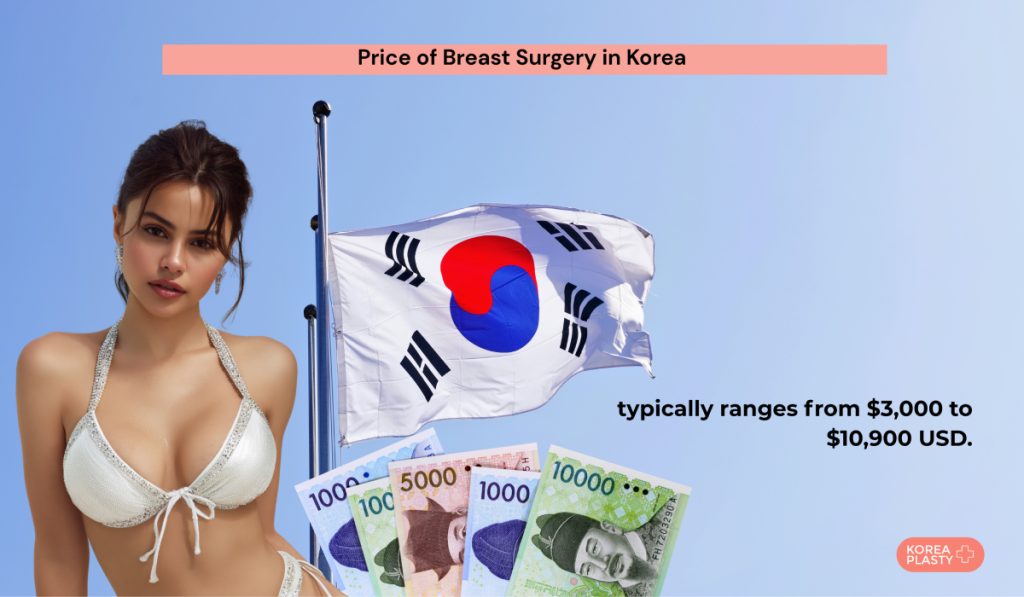
South Korea is a popular destination for those seeking cosmetic procedures, known for advanced medical technology and skilled surgeons; the cost of breast implants in Korea typically ranges from $3,000 to $10,900 USD.
In Seoul, breast augmentation starts at US $6,500, while the national range typically extends from $4,800 to $6,800; when expressed in Korean currency the figure moves between approximately 7,000,000 KRW and 18,000,000 KRW. Patients therefore can expect to pay anywhere from $5,000 to $8,000 USD on average, although quoted prices for gummy-bear implants usually drift upward to $7,000-$9,000; other facilities state a broader bracket of $3,600-$9,000, and premium clinics in Gangnam remain flexible, with 10-15% variation tied to surgeon expertise, implant choice and the comprehensiveness of the package. That package routinely bundles consultation, general anesthesia, surgery, blood tests, chest X-ray, echocardiography, hospitalization, vitamin infusions, compression garments, post-operative care, airport-to-clinic transfer, and sometimes concierge accommodation, making the total noticeably lower than the United States average of roughly $9,300 cited by ASPS.
Where can I get breast implants in Korea?
Korea is one of the best places to get breast implant surgery because top-notch plastic surgeons, FDA-approved implants, and 99% success rates are standard. The PLUS Plastic Surgery in Gangnam, Seoul, has internationally recognized board-certified surgeons who give 1:1 consultation, use FDA-approved implants, and tailor each plan for the highest satisfaction. JK Plastic Surgery Center, a premium clinic with 20-years history, offers official clinic prices with no veiled fees, applies hypoallergenic Korean implants, and records 100% procedure success. Seojin Plastic Surgery Clinic, also in Gangnam, provides bilingual support, complimentary online consultation, and combines implants with fat grafting for international clients. JW Plastic Surgery performs HD endoscopic breast augmentation, selecting the best surgical method for each individual to achieve desired beauty.