
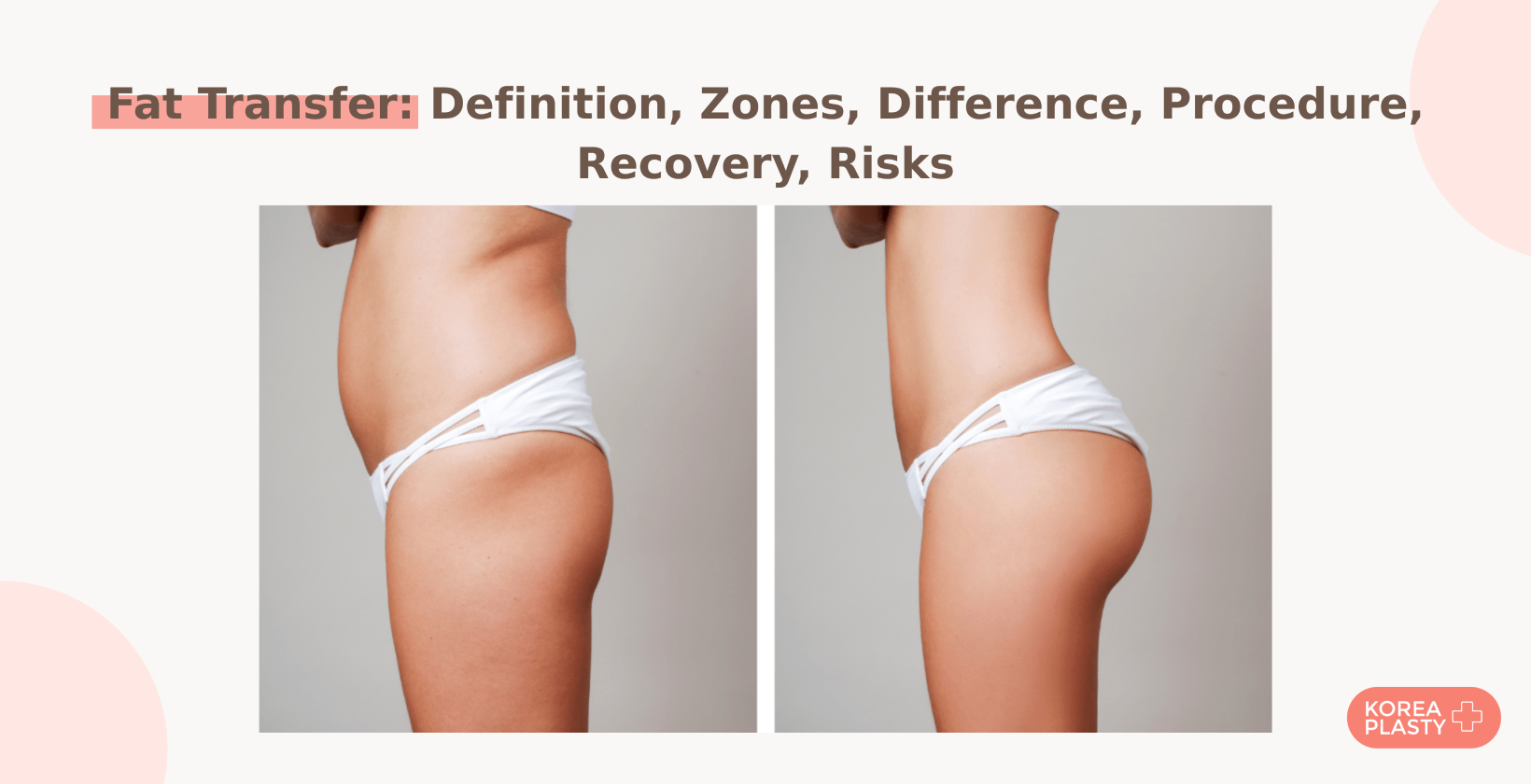
Fat Transfer: Definition, Zones, Difference, Procedure, Recovery, Risks
Fat transfer, also known as autologous fat transfer, fat grafting, fat injections, or lipofilling, is a safe, minimally invasive, two-step procedure that creates natural-looking, youthful results. First, unwanted excess fat is removed through liposuction from a donor site like the abdomen or thighs. The harvested fat is then processed with a centrifuge device to purify the viable cells. Finally, the purified fat is gently injected into the target site, adding volume and refining contours to give you a more toned appearance.
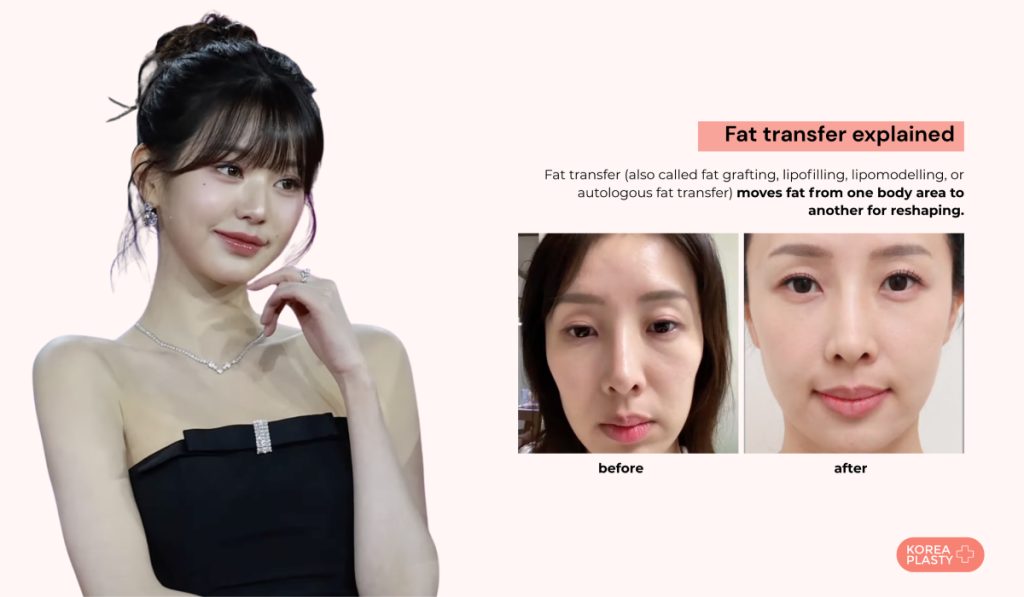
What are fat transfer surgeries?
Fat transfer surgeries take fat from one part of your body and inject it into another area to help shape your appearance. Fat transfer is known as fat grafting, lipofilling, lipomodelling, or autologous fat transfer. A plastic surgeon takes excess fat from one area of your body and injects it into your desired area. Fat transfer is a safe, minimally invasive procedure that creates natural-looking, youthful results. Fat transfer to the top of the hands adds volume to restore a youthful, plumper contour to thinning or wrinkled skin.
The process begins with liposuction to remove excess fat from a donor site like the abdomen, hips, thighs, or buttocks. The harvested fat is then purified and processed to remove impurities and cellular debris. Finally, the plastic surgeon injects the processed fat into the target or recipient site to add natural-looking volume.
Fat transfer enhances the face, lips, cheeks, buttocks, hips, hands, or scars, and it is used for facial rejuvenation, gluteal augmentation, or body contouring. It is not a weight-loss procedure and does not cause drastic change in the donor area. The technique is relatively new, growing in popularity each year because it uses your own tissue and produces natural results. Performed under local or general anesthesia, it is typically an outpatient procedure that combines with facelifts, tummy tucks, or additional liposuction.
What are fat transfer techniques?
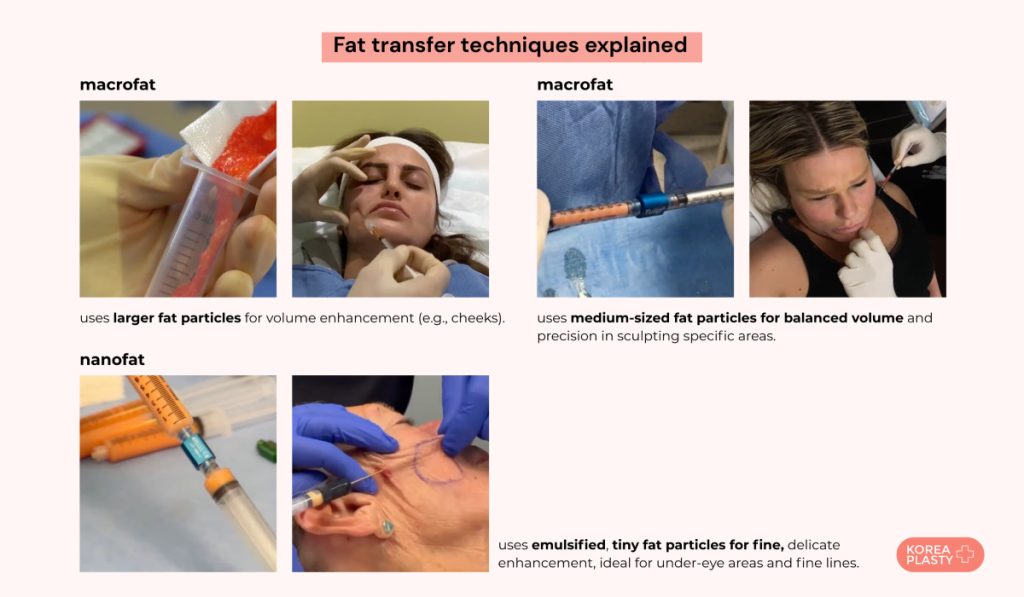
Fat transfer techniques are categorized based on the size of the fat particles used and the specific application. The three main types of fat used for grafting are macrofat, microfat, and nanofat. The fat transfer techniques are described below.
- Macrofat Transfer Technique: Macrofat transfer technique involves larger fat particles and is used when the desired goal is volume enhancement. This technique is ideal for cheeks or areas that require volume.
- Microfat Transfer Technique: Microfat transfer technique provides a balance between volume and refinement. This technique is used for better precision and is used for sculpting and volumizing specific areas.
Nanofat Transfer Technique: Nanofat transfer technique is used for highest precision. The fat is emulsified into tiny particles, allowing for a subtle and delicate enhancement. This technique is used for the under-eyes regions and fine lines.
What is fat transfer breast augmentation?
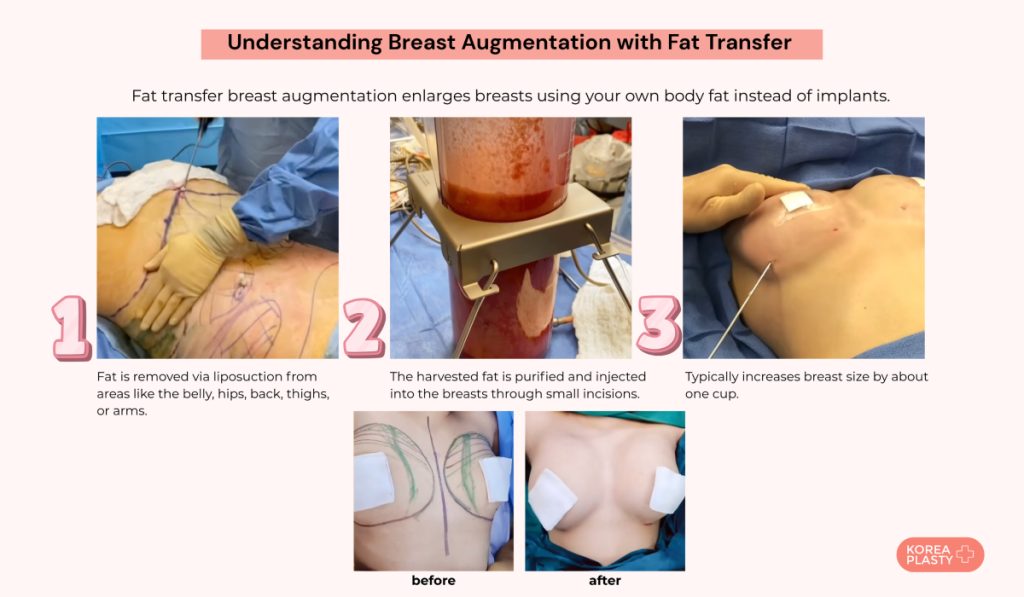
Fat transfer breast augmentation uses liposuction to take fat from other parts of your body and inject it to enhance the breasts, which is an alternative to breast implants that uses your body fat to increase your breast size and fill areas that have lost fullness.
Fat transfer breast augmentation is a cosmetic procedure that enlarges your breasts with your own fat instead of synthetic implants. Surgeons use liposuction to remove fat from donor areas like the belly, hips, back, thighs, or arms. The harvested fat is purified and carefully injected into the breasts through small pokes, increasing cup size by about one size. This minimally invasive outpatient procedure avoids foreign devices, provides simultaneous body contouring, and results in natural look and feel with minimal scarring.
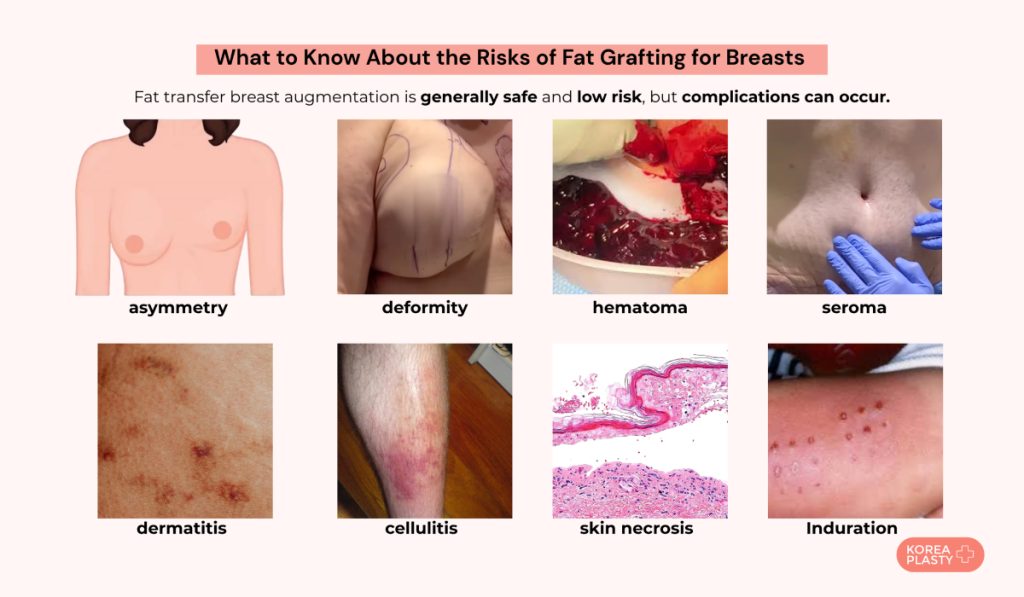
What are the risks of fat transfer breast augmentation?
Fat transfer breast augmentation is deemed safe and low risk, yet it carries specific complications that patients understand before surgery. The primary risk is fat necrosis, the death of fat cells that occurs when the transferred tissue does not receive enough oxygenated blood. Fat necrosis causes hardened lumps, oil cysts, persistent pain, infection, microcalcifications on mammograms, and changes to breast skin appearance and shape. In some cases, it leads to breast deformity, asymmetry, or loss of sensitivity and requires revision surgery, removal of scar tissue, or multiple operations.
Additional risks include fat reabsorption, which causes volume loss and changes results over time, and the formation of benign breast cysts, noncancerous calcifications, and suspicious false positive findings on mammograms. Hematoma occurred at 16 % in one study and at 0.5 % in a larger study of 2,073 patients. Seroma was noted in 0.1 % of the same large cohort, while induration and persistent pain were reported at 33 % and 25 % respectively among patients undergoing autologous fat grafting for cosmetic breast augmentation. Infection, bleeding, bruising, swelling that persists for up to six months, skin necrosis, cellulitis, dermatitis, flap loss, and numbness or itchy nipples are certain risks.
The procedure does not increase the risk of breast cancer or breast cancer recurrence, and because it uses the patient’s own tissue there is no risk of allergic reaction or rejection. Compared with breast implants, fat transfer breast augmentation has a lower risk of capsular contracture, leakage, or rupture, but results are less predictable and some patients need replacement or revision surgery every 10 to 15 years. Patients are advised to avoid high-impact sports and push-ups after surgery so they do not traumatize the transferred fat, and they will wear a surgical garment for a couple of weeks. Mammograms remain effective for most people after the procedure, although additional imaging is sometimes needed to clarify calcifications or oil cysts.
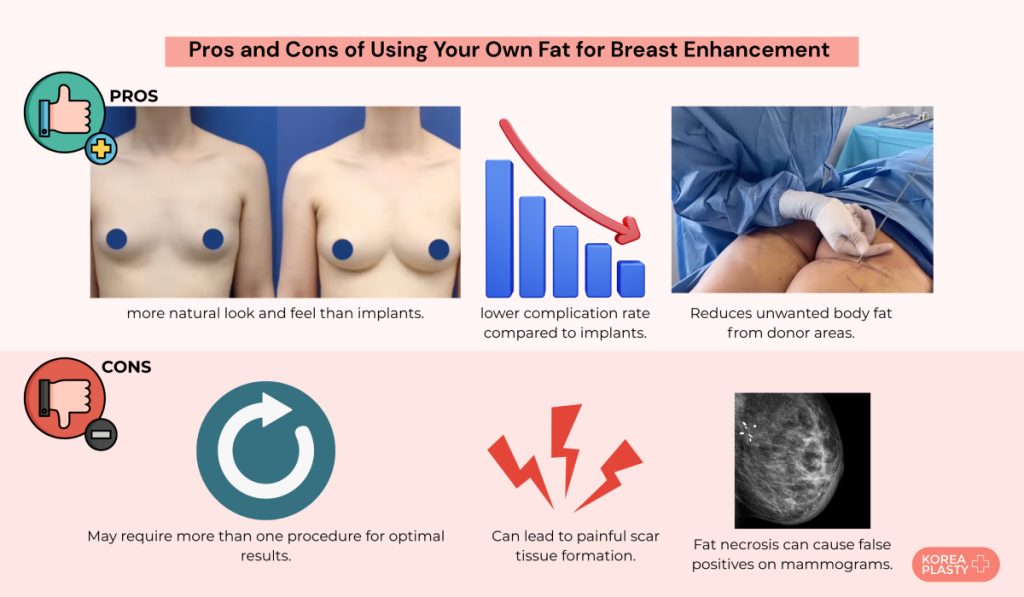
What are the pros and cons of fat transfer to breast?
The pros and cons of fat transfer to breast are outlined below.
| Pros | Cons |
| May provide a more natural feeling breast compared toimplants | May require more than one procedure |
| Has a lower complication rate than implants | Only allows modest increase in breast volume and has limited degree of augmentation |
| Benefits include reducing unwanted body fat | Can lead to painful scar tissue |
| Benefits include minimal scarring | May not firm breasts |
| Provides a natural alternative for patients seeking refined breast shape | Dead fat cells can lead to false positive mammograms |
| Oncologic safety of fat transfer to breast in breast reconstruction has been clearly proved and confirmed | May cause palpable cystic lesions and calcifications; fat necrosis can lead to lymphadenopathy |
| Harvested areas look slimmer afterward | Does not correct sagging and has potential for reabsorption |
Surgeons purify the fat through centrifuge and then inject it, so the surviving fat cells integrate with existing breast tissue and the result is more natural to the eye and to touch than breast implants. Removing unwanted body fat improves contour. Afterward, these areas look slimmer, so the patient enjoys all-over body contouring.
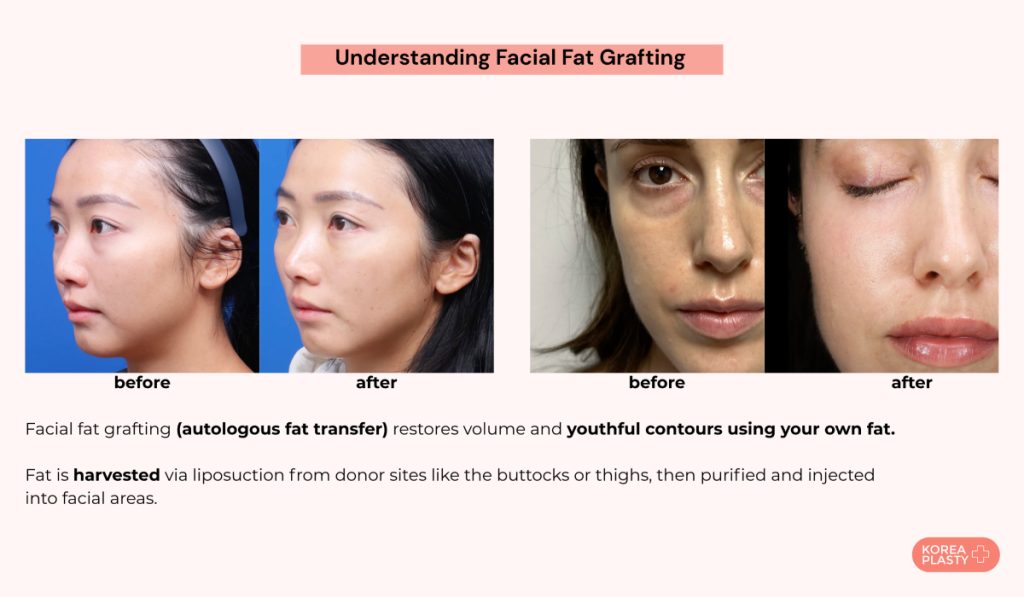
What is facial fat grafting?
Facial fat grafting is a surgical rejuvenation procedure where deposits of fat from one area of the body are removed and placed in another location Autologous fat grafting intended for facial rejuvenation restores volume to the face.
Facial fat grafting is a minimally invasive surgical procedure that uses your own fat cells to restore volume, refine contours, and rejuvenate the face. Called autologous fat transfer or fat injection, it takes excess fat from donor sites like the buttocks or inner thighs through liposuction, processes and purifies the harvested fat, then carefully injects the purified fat into areas of the face that require volume repletion.
The technique can address all of the age-related changes that occur during normal aging, including volume loss in the cheeks, temples, forehead, chin, lips, nasolabial folds, marionette lines, jawline, and hollows under the eyes. It improves skin tone, texture, and thickness while smoothing laugh lines, depressed scars, dark circles, and tear-trough hollows.
Facial fat grafting is performed using micro-cannulas or fine needles and is completed in an office setting under local anesthesia or in a sterile medical setting under general anesthesia. It is performed as a standalone procedure or combined with additional facial surgeries like facelift, blepharoplasty, rhinoplasty, brow lift, or chin augmentation.
Because the body’s own tissue is used, the procedure avoids allergic reactions and serves as a natural, more permanent filler that provides stunning, long-lasting results for years. Typical injection volumes range from 2 cc for small areas like the temples to 30 cc for pan-facial augmentation. Retention of injected fat is approximately 60%.
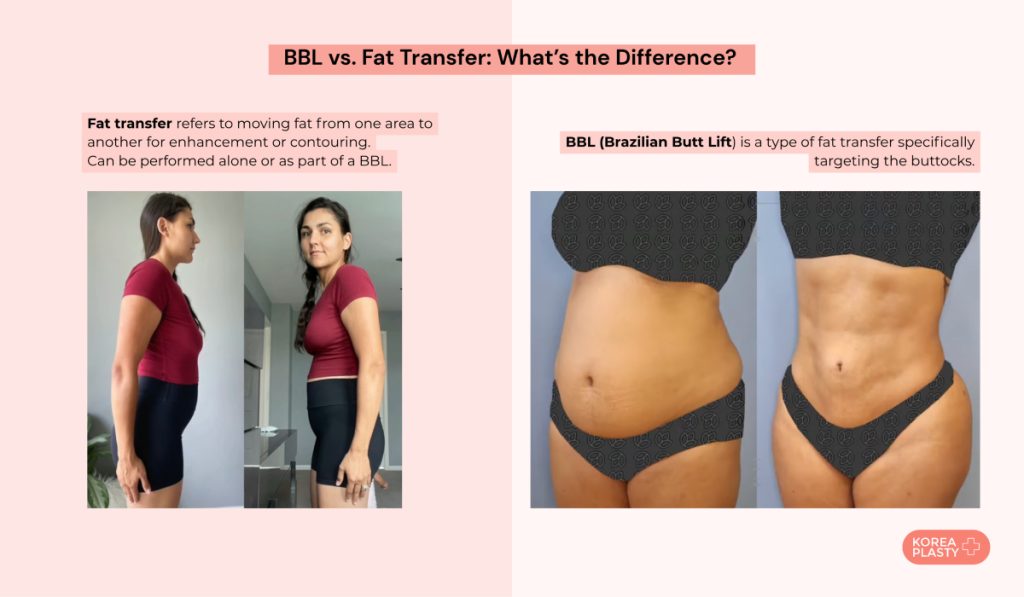
Is BBL and fat transfer the same?
BBL and fat transfer are explained below.
BBL: Brazilian Butt Lift is a type of fat transfer to the buttocks. Requires liposuction of abdomen, back, and flanks. Uses patient’s own fat. Results often fade as up to 80% of transferred fat is lost. Offers a less invasive option. Includes processed fat transfer.
Fat Transfer: Involves transferring fat from one part of the body. Can be done in isolation as with a Brazilian Butt Lift. Adds natural fat to enhance buttocks or hips. May require further surgery due to 50% fat survival rate. Produces less predictable results than butt implants. Feels and looks more natural than implants when skillfully performed.The operation begins with liposuction of the abdomen, back and flanks. The removed fat is then processed and used to augment the buttock. Because about 50% of the injected fat does not survive, the desired volume is not achieved in one operation and further surgery is required.
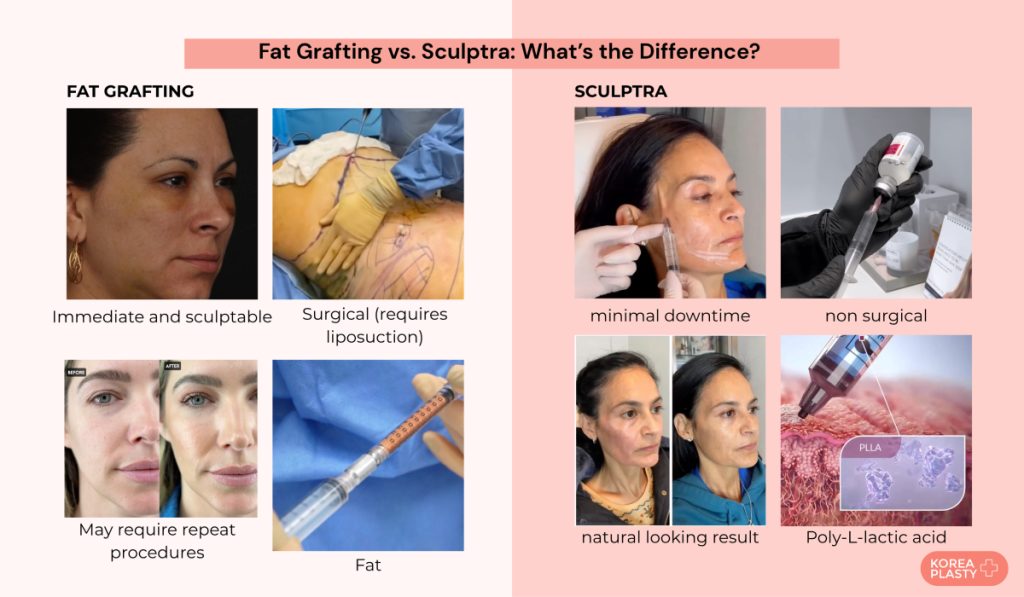
What is the difference between fat grafting and Sculptra?
The difference between fat grafting and Sculptra is explained in the table below.
| Feature | Fat Grafting | Sculptra |
| Mechanism of Action | Integrates into existing fat and remains there unless exercised away | Stimulates collagen synthesis |
| Composition | Fat | Poly-L-lactic acid |
| Procedure Type | Surgical (requires liposuction) | Non-surgical |
| Recovery Time | Longer due to surgical nature | Minimal downtime, quick recovery |
| Immediate vs Gradual | Immediate volume | Gradual improvement over time |
| Longevity | Unpredictable; depends on how much fat is reabsorbed | Lasts typically 3 years or more |
| Use Cases | Hip dip correction, butt enhancement, facial rejuvenation | Hip dip correction, butt enhancement, facial rejuvenation |
| Injection Site | Subcutaneous | Subcutaneous |
| Collagen Production | Promotes new collagen production | Stimulates collagen production |
| Results | Immediate and sculptable | Subtle, natural-looking result |
| Additional Notes | May require repeat procedures | Can be used for buttocks augmentation, hip dips, and facial volume restoration |
Sculptra is a biostimulator made of poly-L-lactic acid and it works by stimulating the body to produce collagen over a period of time, providing gradual improvement that many find appealing. Fat transfer transfers the patient’s own fat to the treated area, delivering immediate volume that integrates seamlessly into existing tissue.
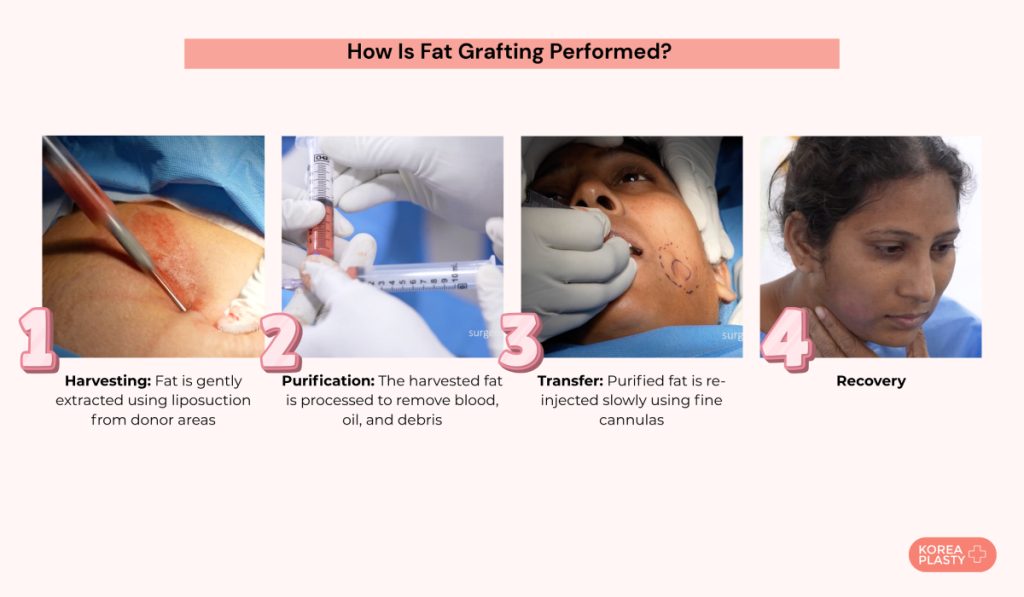
What are the steps involved in fat grafting?
Fat grafting is a three-stage process: harvesting, purification and transfer. The first step involves using liposuction techniques to extract fat from the donor area. Common donor sites include the abdomen, inner thighs, outer thighs, and medial knees. The fat is harvested very gently with a syringe and needle, using thin liposuction cannulas that contain several small holes for optimal results.
Once harvested, the fat is processed to remove cellular debris, excess oils, fluids, blood, and damaged cells. Graft processing involves centrifugation, cotton gauze rolling, decantation, or filtration, and aims to minimize trauma to the fragile adipocytes. The surgeon then purifies the fat by washing it and concentrating it into small syringes, preparing it for safe re-injection.
In the final stage, the surgeon uses specially designed needles or blunt-tip smaller-gauge cannulas to reinject the purified fat into the areas that need augmentation. The fat is injected gently and slowly in tiny droplets, following multiple crisscrossed tunnels to maximize surface area exposure for optimal integration. This careful placement reduces shear stress, avoids injuries to underlying structures, and increases graft viability. To achieve the desired result, the surgeon needs to repeat the fat grafting procedure several times, especially since multiple passes are used to deposit small amounts of fat with each pass.
The procedure is performed under local anesthesia, general anesthesia, or moderate sedation, depending on the extent of treatment and patient preference. Fat grafting uses the patient’s own tissue, making it a form of autologous fat transfer, and involves different fat types like microfat, macrofat, or nanofat, with nanofat being obtained after steps of emulsification and filtration. By following this structured approach, surgeons guarantee that fat is placed in a way that limits central ischemia, necrosis, and subsequent scar tissue formation.
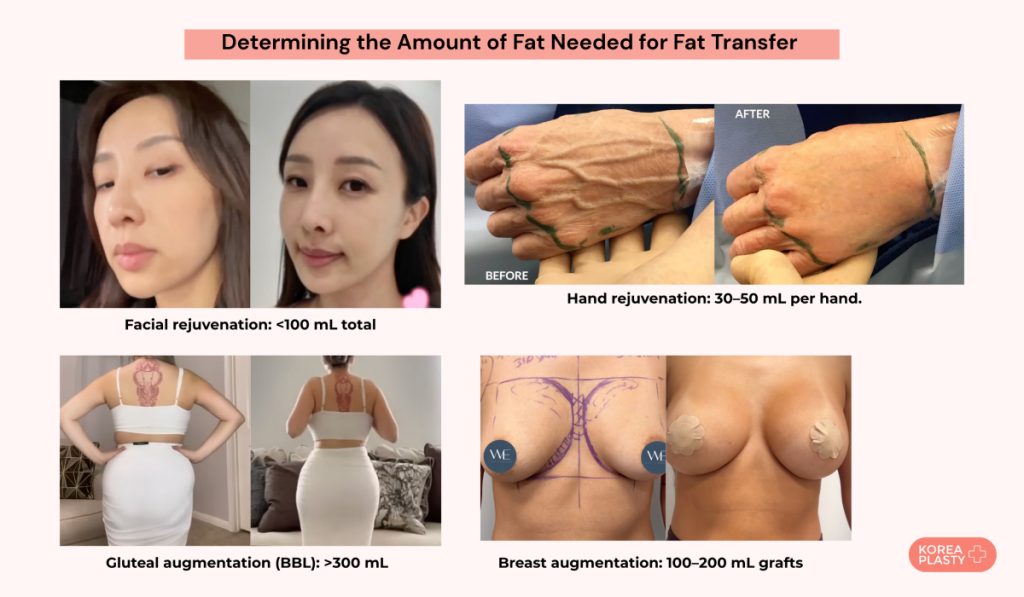
How much fat is needed for fat transfer?
The amount of fat needed for a fat transfer depends on the specific procedure you desire, your unique anatomy and physiology, and whether you’d like subtle results or a more noticeable enhancement. Facial rejuvenation uses small volume (< 100 mL); 10 cc to 100 cc is common, while 20 ml to 50 ml of fat is often enough to increase volume in the cheekbones or eye sockets. Hand rejuvenation requires 30 ml to 50 ml per hand. Natural breast augmentation is a large-volume graft (100-200 mL) and uses 150 ml to 300 ml per side. Gluteal augmentation is mega-volume (> 300 mL). A Brazilian butt lift requires 200 cc to 1300 cc (approximately 0.44 to 2.87 pounds) per side.
There is no specific weight requirement for fat transfer procedures, but patients must have enough excess unwanted body fat to qualify. Those with very low body fat percentage are asked to gain 5-10 pounds (2.27-4.54 kilograms). Surgeons account for expected absorption and inject extra fat, because the body will absorb 30-50 % of the transferred fat during the initial months and only 50 % to 80 % of injected fat cells will survive the transfer. Success is not just about how much fat is injected but about how much of it survives.
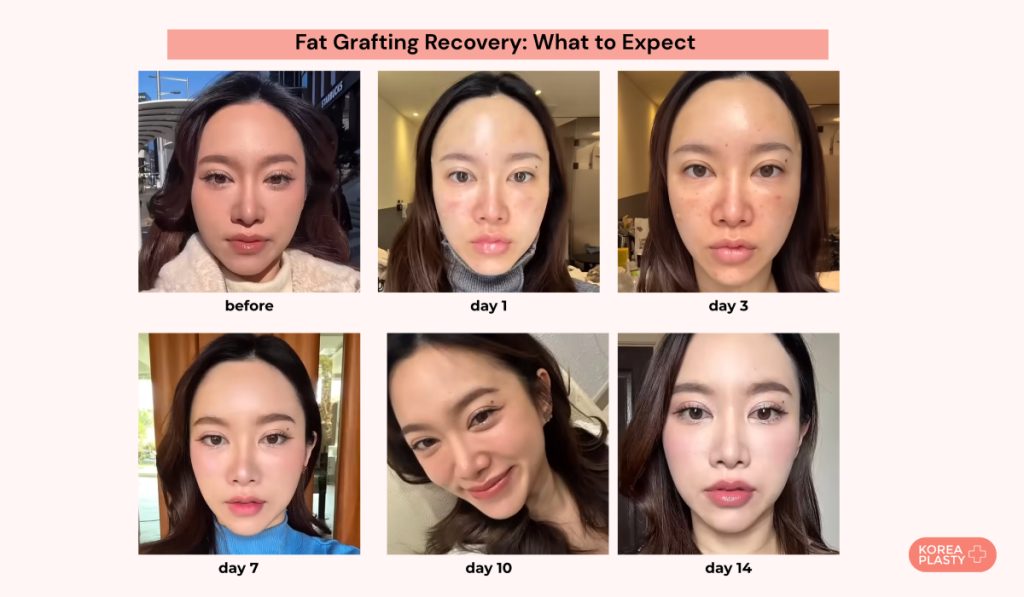
What is the recovery time for fat grafting?
Recovery time for fat grafting depends on the location of the fat transfer. Facial fat transfer has the fastest healing time of about two weeks. Fat transfer to the hands usually needs three to four weeks. Fat transfer to the hips or breasts typically lasts about six weeks. Fat grafting to the buttocks carries the longest recovery period of several months.
The initial recovery phase for most patients lasts one to two weeks, during which bruising and swelling ameliorate and most visible signs of surgery fade. Average downtime is about two weeks. Many people can return to work after one week, but most patients must arrange to take seven to ten days off work and social activities. Compression garments must be worn twenty-four hours a day for at least two to three weeks to help the skin return flush against the new contours. Light physical activity resumes two to three weeks after surgery, yet intense exercise is avoided until six to eight weeks or until the surgeon allows it. Full recovery takes up to six months, the point at which final results become visible once all swelling subsides and the transplanted fat cells have fully established blood flow.
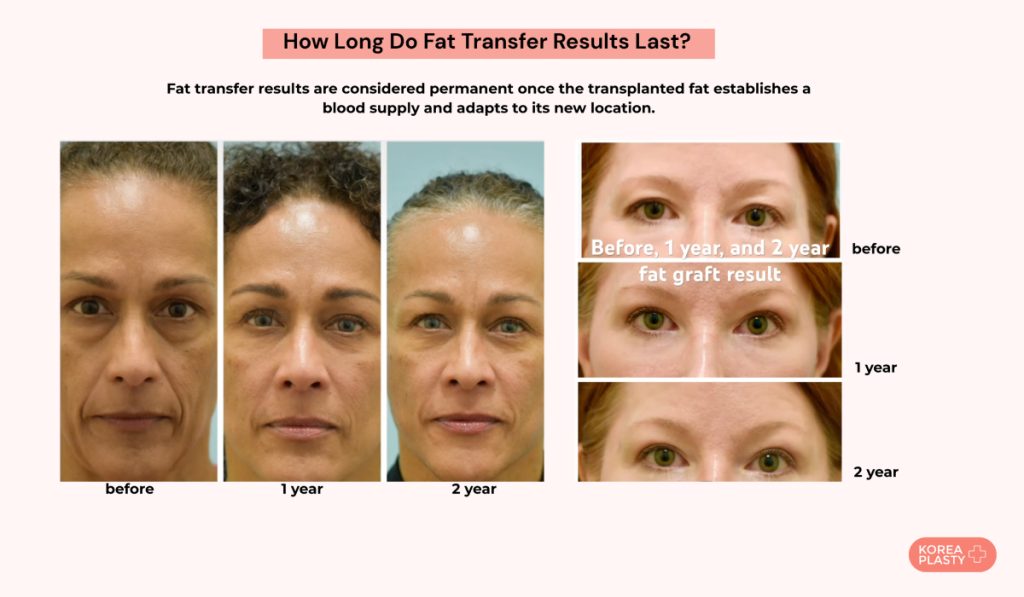
Is fat transfer permanent?
Fat transfer is deemed a permanent procedure once the transferred fat establishes a new blood supply and takes in its new location. The fat cells that survive the first six months settle permanently, becoming a natural part of the body and behaving like any other fatty tissue. While not every grafted cell survives – some are naturally reabsorbed – the portion that remains lasts indefinitely, often 2-5 years or longer. Stable weight and healthy habits help preserve volume. Fluctuations shrink or expand these cells just as they do native fat. Touch-ups are occasionally requested, but the volume grafted is essentially lifelong.
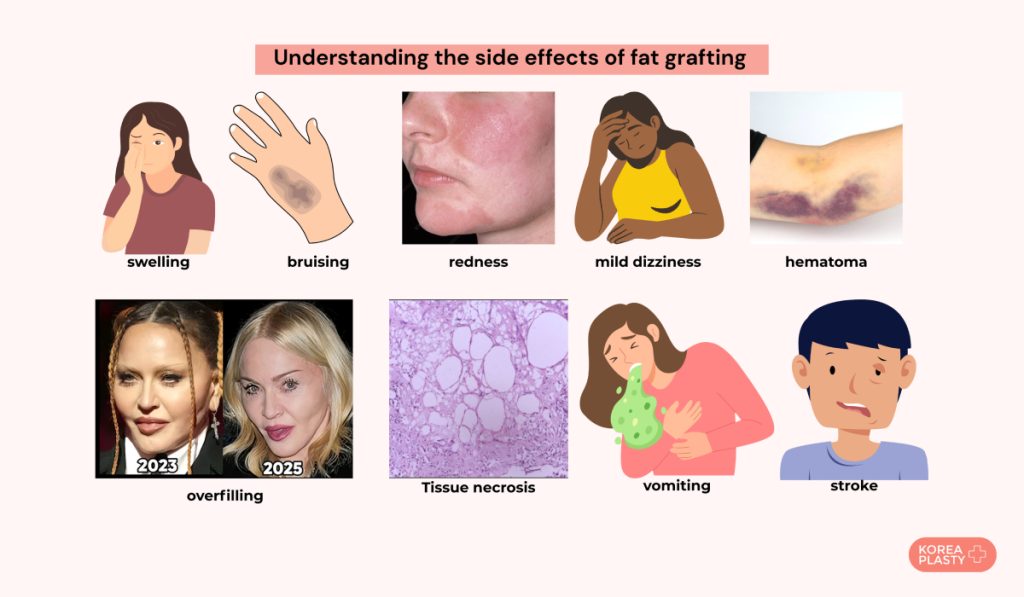
What are the side effects of fat grafting?
The side effects of fat grafting include swelling, bruising, and small scars at both donor and recipient sites. Patients notice prolonged edema, temporary numbness, or mild dizziness that does not go away. Some fat cells die and are resorbed during the first few months, leading to under-volumization, while over-volumization also occurs.
Lumps, cysts, and contour irregularities arise when fat is not evenly dispersed or when oil cysts form. Hypertrophic or lumpy scars, rippling, and asymmetries develop. Moderate effects like cyst formation or irregularities sometimes require a retouch operation with 80% chance. Fat necrosis solidifies into scar tissue and produces hardened, painful masses, persistent pain, facial dysmorphia, and psychological distress.
Infection presents as cellulitis, wound infection, yellow discharge, or high fever and is a noted complication. Hematoma and seroma collections under the skin occur in a small percentage of cases. Nerve injury brings loss of sensation, whereas intravascular injection triggers a fat embolism.
Fat embolism is a severe, possibly fatal event that causes tissue necrosis, pulmonary embolism, stroke, cerebral infarct, vision changes, or blindness. Pulmonary fat embolism provokes respiratory distress, circulatory instability, neurological abnormalities, and death. Vision loss and signs of stroke like one-sided body weakness are major complications, especially in facial and gluteal areas.
Minor complications include prolonged oedema, erythema, and nausea and vomiting. Major complications comprise fat necrosis, infection, seroma/hematoma, and cellulitis. Although most side effects self-resolve or are corrected, fat grafting carries a recognized risk of serious adverse events and even death.
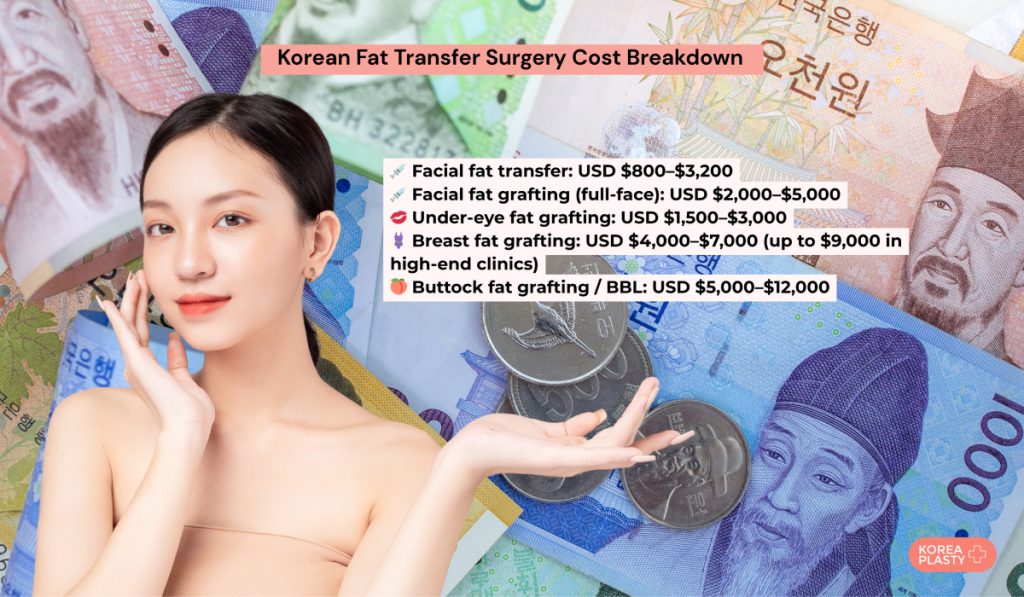
What is the cost of fat transfer in Korea?
The cost of fat transfer in Korea varies by area and clinic. Facial fat transfer typically ranges from $800 to $3,200 USD, while facial fat grafting generally falls between $2,000 and $5,000 USD. Breast fat grafting ranges from $4,000 to $7,000 USD, and in some high-end clinics, it reaches up to $9,000 USD. Buttock fat grafting, including BBL, typically ranges from $5,000 to $12,000 USD. Under-eye fat grafting usually costs between $1,500 and $3,000 USD.
These prices are significantly lower than in the United States, where facial fat transfer averages around $12,000 USD and under-eye fat grafting ranges from $3,500 to $7,500 USD. In Korea, the cost includes pre-operative consultations, the surgery itself, and basic post-operative care. High-end clinics in Gangnam, Seoul, charge upwards of $10,000 USD due to premium services and advanced technologies. Some clinics offer comprehensive packages that include accommodation and transportation. International patients are eligible for a VAT refund if the procedure is worth at least KRW 15,000 and performed at an authorized clinic.
Where can I get fat grafting in Korea?
Korea has numerous plastic surgery clinics that provide fat grafting. Gangnam, Seoul, is the busiest hub. ThePLUS offers Face Fat Grafting at THE PLUS PS in Gangnam, South Korea. ME CLINIC SEOUL sits at 376 Gangnamdaero and provides fat grafting with free consultation, and Lienjang Plastic Surgery Center nearby promotes efficient procedures and rapid recovery through its 5D Face Fat Grafting.
JK Plastic Surgery Center draws over 6,000 medical tourists annually and is the most popular clinic for facial fat transfer, while VG Plastic Surgery attracts more than 1,000 patients each year and is trusted for facial fat transfer by clients from Asia, USA, and Canada.
Banobagi, Wonjin Plastic, and TN Plastic Surgery are reputable clinics with a high success rate. Lydian Plastic Surgery Clinic in Seoul specializes in stem cell fat grafting, gives clients a natural sense of volume, and offers 1:1 personalized solutions to achieve a high engraftment rate.
Okay Plastic Surgery Clinic, Lydian Plastic Surgery Clinic, and Seojin Plastic Surgery Clinic are listed as best clinics for hip dip fat grafting, and ME CLINIC SEOUL supplies transparent surgery cost information.